
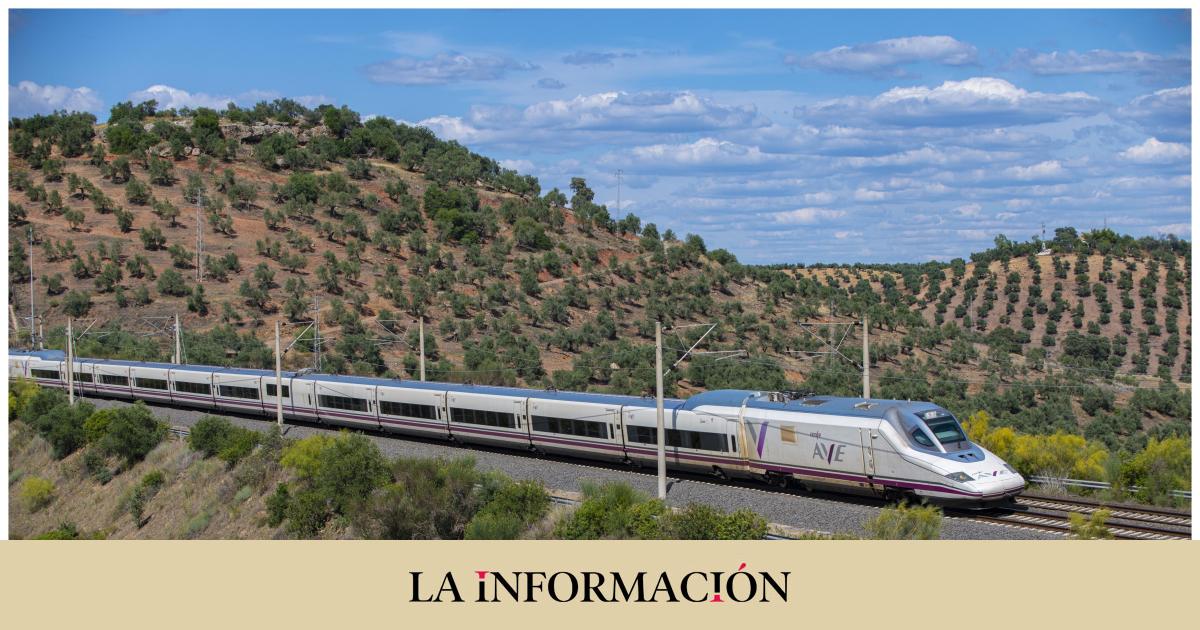
Renfe chose BIM startup 6D to answer the Metaverse challenge. Company cCreate and manage digital models of buildings and infrastructure related to databases, one of the challenges posed by startup accelerator TrenLab in its V call.
Search for the most promising projects in the field of mobility stimulate technological innovation In the field of rail transport, bidding is conducted on the basis of a project competition model, one for each area of work proposed in the V TrenLab Calls.
Selected startups have the opportunity to receive a a contract worth up to one million eurosAs reported by the public rail transport company, the winning project with Renfe is developing positively. The first to be chosen will be BIM 6D, a digitization company based in Barcelona with a extensive experience in the AECO sector (architecture, engineering, construction and operation).

Virtual trains and stations with connected users
BIM 6D designs buildings and infrastructure using CAD, 2D, 3D and BIM (building information modeling) technologies. With BIM technology, create and manage digital models buildings and infrastructure related to databases.
It offers an “exciting experience aimed at improve the passenger experience and optimize the internal management of Renfe”, as explained by the public company, which showed that BIM 6D is capable of creating virtual trains and stations and digital duplicates of the entire railway infrastructure, as well as connecting users with their avatars. They travel routes and railways (in modern times, recreating the past and imagining the future).
“Through 3D travel models and virtual experiences, its technology opens up possibilities for profound transformations in, for example, the way people relate to transport,” he added. Renfe claims that through this experience of direct and two-way communication with its users in the metaverse, you will be able to know their needs, communicate with them and help them make their experience as efficient and satisfying as possible.
Delve into the meta universe
As part of its commitment to innovation, the company strives to “to be on the front line of the European rail sector, exploring the possibilities of the meta-universe applied to the mobility sector, aiming to develop the first use cases applied to transport from the purpose of studying its potential and appreciate the balance between the physical and virtual worlds.
As noted, the meta universe is expected to have a direct impact on all sectors in the coming years, with a global market size of $824.53 billion in 2030, according to a report by Verified Market Research. And according to an Ipsos study, Spain is the European country whose population is most familiar with the metaverse. For this reason, Renfe aims to “anticipate the changes and opportunities of this disruptive trend” and to be in line with some of the most prominent players in railway innovations thanks to the implementation of the metaworld, as Deutsche Bahn in Germany or the MTR subway company in Hong Kong have already done.
Open innovation through TrenLab
Startups selected to participate in Challenge V TrenLab They will have access to a personalized acceleration program and can receive up to €50,000 to develop a pilot project. In addition, they will gain access to major investors and become part of the TrenLab ecosystem, where for six months they will be advised by experts who have direct contact with Renfe Group’s business areas and companies.
This reward starts the problem solving process for TrenLab’s fifth challenge. For this edition, in addition to the scope of the metaverse, solutions were sought for the problems ‘Digitization of security systems“, “Green transport”, “Learning with virtual reality”, “Industry 5.0” and “Fleet optimization”. Trenlab is Renfe’s global startup acceleration program and open innovation space in the mobility, transport and logistics sector. In this laboratory, Renfe’s business units work with startups and entrepreneurs to develop truly innovative projects and immediate application and co-creation of business opportunities.


