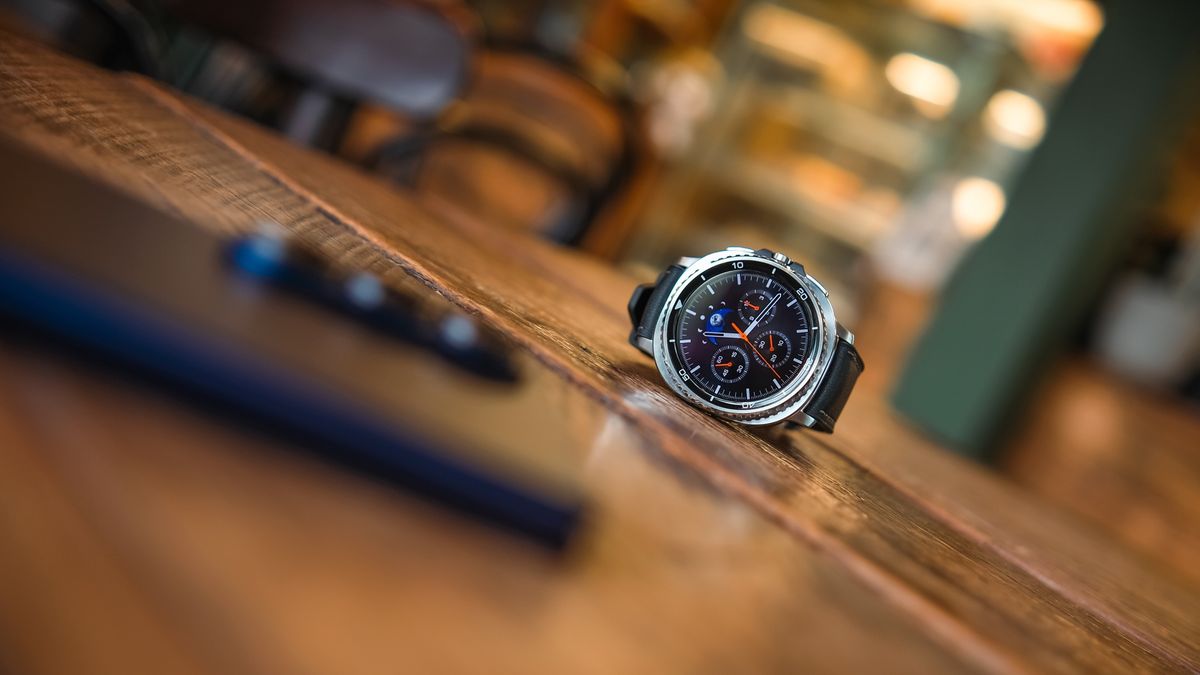
Samsung is preparing to revolutionize the market once again smart watch with recent Galaxy Watch8. Now the South Korean company will integrate the innovative function nutrition monitoring in real time, capable of measuring antioxidants in the body with a single thumb scan.
He Samsung Galaxy Watch8 will measure nutrition through the “Antioxidant Index.” It uses a miniature sensor consisting of LEDs and photodetectors that scans the thumb. In just five seconds, it measures carotenoid levels in the skin, thus reflecting the user’s consumption of fruits and vegetables.
Samsung Galaxy Watch8 Improvements – Internal 1

The Samsung Galaxy Watch8 will use LEDs instead of lasers to track power.
Samsung
From lab to wrist: The Galaxy Watch8 challenge and nutrition tracking
In 2018 Samsung discovered a critical gap: we could count every step, but not measure how diet affects health. The Dra. Hyoji Zhongan expert from Seoul National University, explains that neglecting antioxidants “increases the risk of chronic diseases such as cardiovascular disease, diabetes and cancer.”
Mara a smart watch that measured diet ran into an obstacle: traditional technology (Raman spectroscopy) uses bulky machines. The mission of Samsung was to miniaturize a lab-grade sensor to the size of a coin.
Samsung Galaxy Watch8 Improvements – Internal 2
Carotenoids (found in fruits and vegetables) are a key indicator that the smartwatch will measure.
Samsung
Inclusive smartwatch: accurate measurements for all skin tones
Building the sensor was just the first step. The next challenge was to make sure it worked accurately on different skin tones, overcoming obstacles like melanin in darker skin tones.
The solution? The engineers chose to use the fingertip for the measurements because it is the area with the least amount of melanin in all ethnic groups.
In addition, the system requests a light finger press during reading. It helps “temporarily reduce blood flow and hemoglobin interference, making results more accurate.” Hundreds of tests in Samsung Medical Center proven performance.
Samsung Galaxy Watch8 Improvements – Internal 3
The sensor of the Galaxy Watch8 will be worn on the tip of the finger to avoid interference from melanin.
Samsung
How does the antioxidant index work?
Carotenoids are pigments (red, yellow, green) of fruits and vegetables. Since the body does not produce them, their levels accurately reflect our diet.
Antioxidant index Galaxy Watch8 will classify the levels as follows:
- Very low: Less than 50% of the WHO recommendation (400 g/day).
- Low: From 50% to 100%.
- Optimally: 100% or more.
Samsung Galaxy Watch8 Improvements – Internal 4
The smartwatch’s food tracking measures long-term habits, not immediate meals.
Samsung
This indicator is not isolated. Factors such as sleep, stress, and activity (which Galaxy Watch8 also measures) influence the evaluation by offering a comprehensive view. “New wearable sensors can help people develop healthy eating habits,” says the professor Yunho Choiwith Samsung Medical Center.