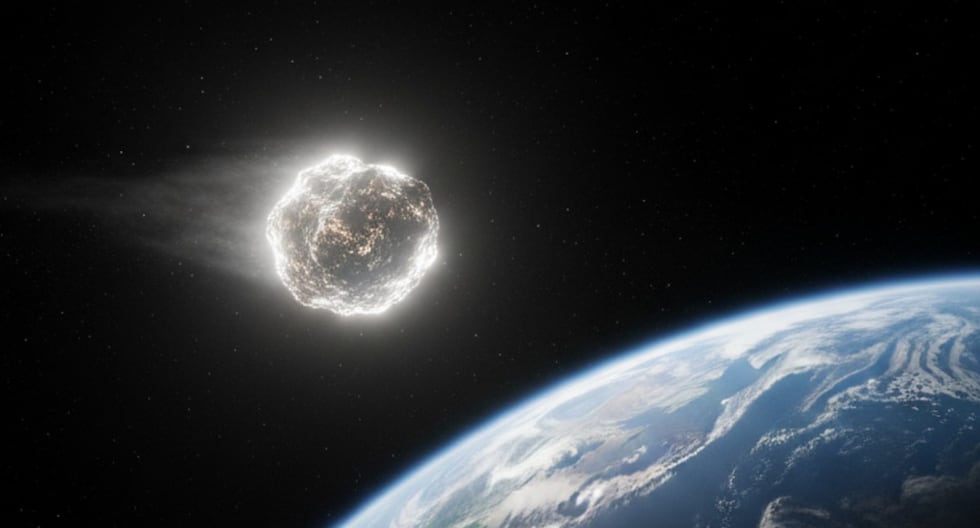
News about asteroids often inspires more curiosity than real alarm; However, behind every report there is constant observational work that seeks to anticipate any scenario. These days, the space radars have focused on the visitor by name 2025 YH6not because it poses an immediate danger, but because it has characteristics that make it scientifically important.
SEE ALSO:
This rocky body measures ca 70 meters in diameterdimensions comparable to a large airplane. It moves at a speed of approx 32 thousand kilometers per hour and its point of maximum proximity to our planet will be more than two million kilometersa distance that remains safe for astronomy.
The phrase “it will pass close to Earth” may sound alarming outside of a scientific context, but astronomers use very clear criteria to talk about danger. The object falls into the threat category only when it combines large size with an orbit that brings it too close and with real collision possibilitieswhich does not happen in this case.
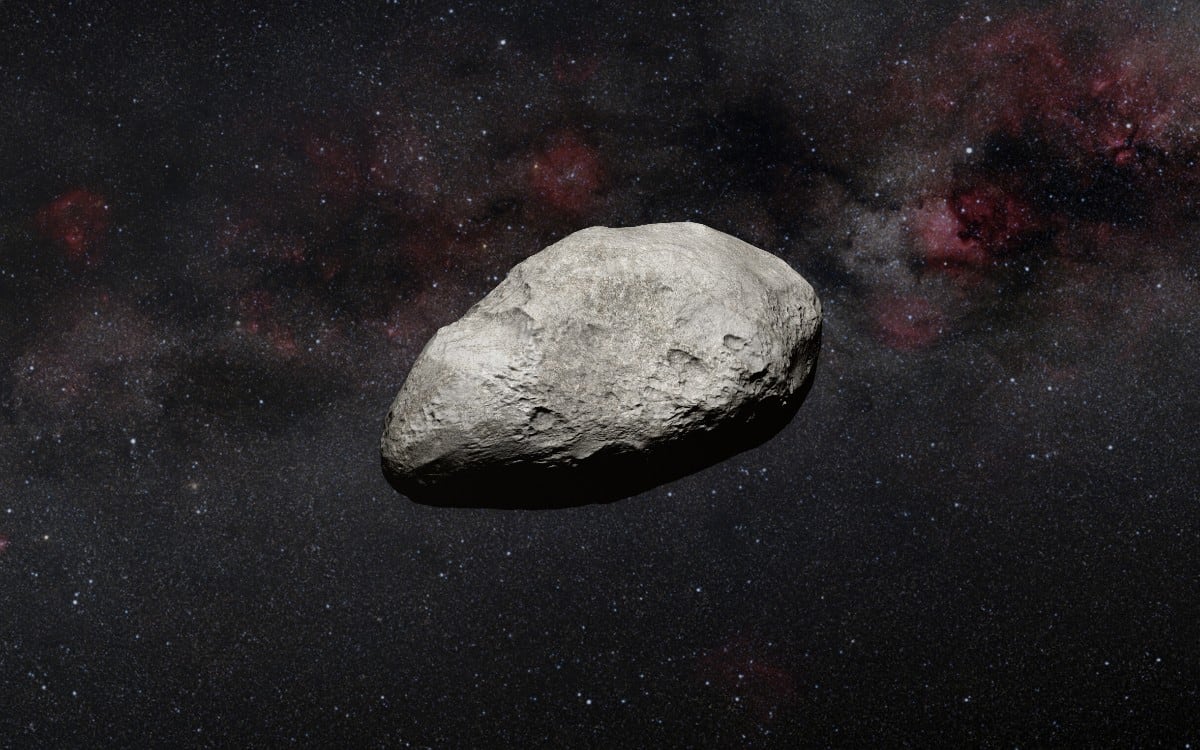
Although it will pass more than two million kilometers from Earth, its route allows testing of tracking technologies. (Reference photo: N. Bartman / EUROPEAN SPACE AGENCY / AFP)
These types of flybys are not a cause for concern, but are very useful for science as they allow us to test detection instruments, adjust calculations, and create models that predict how these bodies move through space. Every piece of data collected improves the ability to respond to future scenarios.
In addition to 2025 YH6, other smaller objects have been observed, e.g 2025 YK6 in 2025 YZ4. Although they are smaller, some even move at higher speeds, making them interesting subjects for improving our knowledge of rocky bodies.
All this work is coordinated by specialized groups such as Center for the Study of Near-Earth Objects (CNEOS)the purpose of which is to constantly update the map of near-Earth bodies.
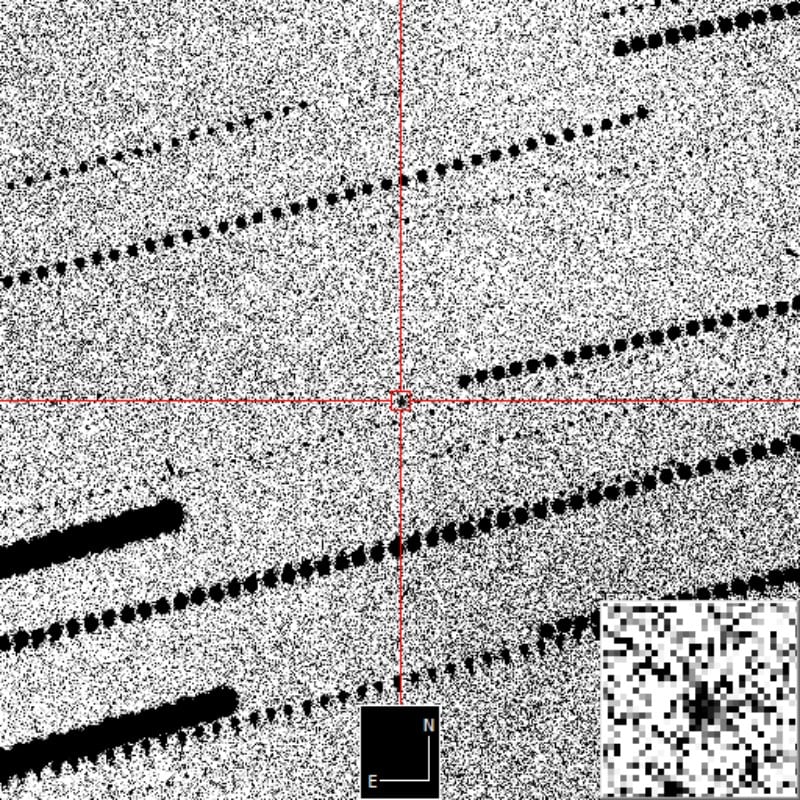
Scientists explain that it does not meet the criteria to be considered potentially dangerous. (Photo: ESA)
Thanks to this constant monitoring, a simple approach can be clearly distinguished from a real threat.
These asteroid mergers are a common occurrence in space and occur frequently without causing any danger. Remarkably, the surveillance systems work correctly and allow for early detection and tracking of these objects.
The last asteroids discovered near the Earth
Below is a selection of recent asteroids that have passed or will pass near Earth in the last days and weeks of January 2026:
- 2026 AF5: Discovered earlier in the year, it passed at a safe distance of about 3.5 million kilometers on January 8.
- 2026 BD1: A small object (about the size of a bus) that came as close as 1.2 times the distance between the Earth and the Moon on January 11.
- 2025 YS3: Discovered in late December 2025, it crossed Earth’s orbit on January 5, 2026, safely.
- 2026 CL2: Planned approach by January 15, 2026; Observing systems keep it under control because of its trajectory close to the “neighborhood” of Earth.
- 1-meter asteroid: In recent weeks, several tiny objects have been detected entering the atmosphere and disintegrating, confirming that the observation systems work even for small objects.
If you are interested in this news and want to stay up-to-date on events and trends in the US and the world, join our WhatsApp community. 👉 Join here