
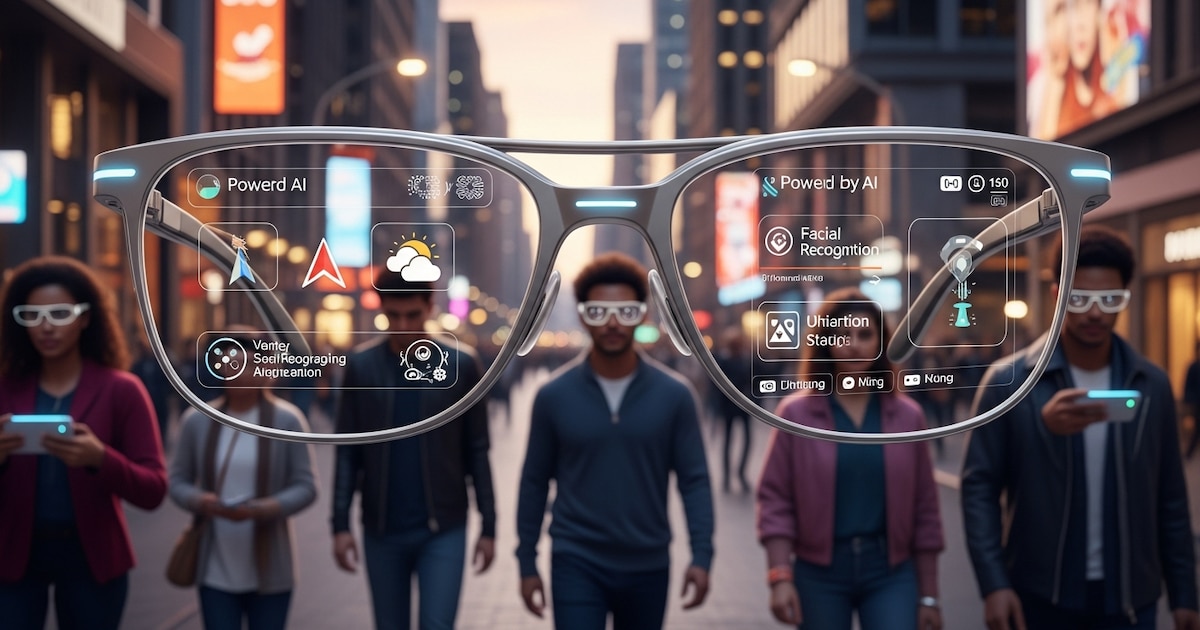
The inevitable consolidation of smart glasses as the next important device, which is the mobile phone today, foretells a change in the relationship between users and technology and opens up questions about privacy and social adaptation in a context where the integration of artificial intelligence is redefining the boundary between the physical and digital worlds.
According to the MIT Technology Review magazine and the American scientific publication Popular Science, from 2026 these smart glasses will not only project information into the field of vision, but also personalize the everyday experience with the help of voice assistants, advanced sensors and augmented reality adapted to individual habits.
Mark Zuckerberg himself, CEO of Metaargued that “it’s hard to imagine a world in a few years where most of the glasses people use aren’t AI glasses.”
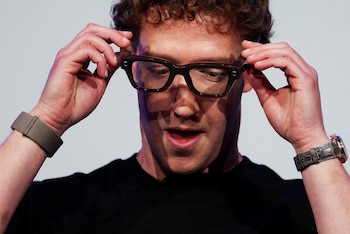
The manager compared this phenomenon to the transformation of smartphones over the past decade.indicating that the transition to smart glasses will not mean a sudden change in behavior, but rather a gradual improvement of an accessory that is already integrated into the lives of billions of people.
Companies in this sector are promoting the integration of artificial intelligence and sensors that analyze reading distance, eye and head movements, responses to fatigue and ambient lighting conditions.
These parameters feed digital models or virtual twins capable of predicting and customizing the optical configuration for each user.
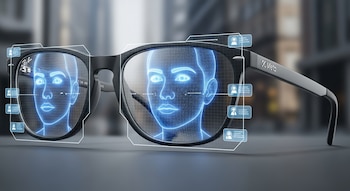
In addition, Next-generation progressive lenses accurately calculate focus zonesoptimizing both the visual prescription and the user’s daily routine for faster adaptation and reduced distortion compared to conventional solutions.
Now technological development allows to combine vision and hearing health in one device. The latest models include hearing support through directional microphones and open speakers that can be configured from apps.
The optical sector is being transformed with the adoption of robots and autonomous vehicles, enabling the production of around four million lenses per year.
These automated processes reduce human error and ensure qualitywhile the introduction of recycling systems and solar panels reinforces the industry’s sustainability goals.

This modernization responds to the growing demand for customized solutions and requirements to reduce the sector’s environmental impact.
Health and socio-economic challenges in the sector are reflected in data published by the World Health Organization: Farsightedness affects 85% of people over the age of forty, who spend an average of six hours a day in front of screens, and in offices this number reaches ten hours.
Uncorrected vision deficits result in annual productivity losses estimated at $411 billionwhile the global value of optical solutions is around $25 billion.
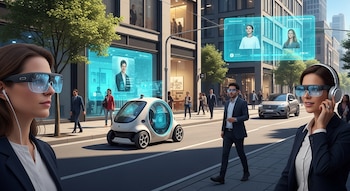
In addition, Doubts about the privacy and social acceptance of smart glasses occupy a central place in the public debate. Cameras, virtual assistants, and embedded sensors raise concerns about data protection and the risks of personal surveillance, especially in public spaces.
Experts suggest implementing advanced security and encryption systemsadded to a clear regulatory framework to delineate the use of cameras and sensors in different contexts.
The European Union Data Protection Agency emphasizes the need for transparent reporting on the data collection and processing functions of these devices to preserve rights and strike a new balance between innovation, privacy and everyday life.


