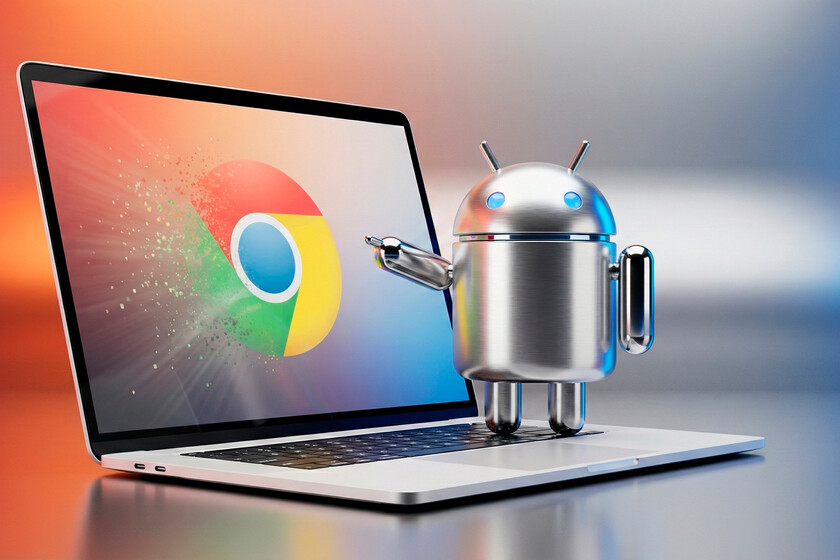
One of Google’s worst-kept secrets now has an official name, at least behind closed doors. After months of rumors of a merger of their operating systems, the job posting confirmed the existence of Project Aluminum. As media outlets like Android Authority have pointed out, this is no simple update; it’s Google’s plan to bury ChromeOS as we know it and bring Android to the desktop with all the law.
Chronology. The idea of combining Android and ChromeOS is not new. Already in 2015, there were rumors about an unsuccessful attempt at convergence – the Andromeda project. Over the last decade, Google has been paving the way in small steps: support for Android apps on Chromebooks, an increasingly efficient desktop mode in Android 15 and Android 16.
And finally, Rick Osterloch’s confirmation at this year’s Snapdragon Summit, where he admitted that they’re working on bringing both worlds together. Now, the Aluminum leak adds another piece to the puzzle.
What is “Aluminum OS” and why is it important. A data leak collected by specialized media shows that this is the codename of a new operating system based on Android and developed with AI at the core (probably Gemini).
The goal is to stop maintaining two parallel developments in order to combine all resources into a single platform that can scale from mobile to desktop using the capabilities of new ARM chips such as Snapdragon X.
Not just for budget laptops. The most telling thing about the leaked document is the ambition of the project: Google will no longer be content with the education market or cheap hardware. The RFP clearly mentions the device segmentation which includes “AL Mass Premium” and “AL Premium”. This confirms that Google wants to compete in the big league with teams capable of competing with a MacBook Pro or Surface.
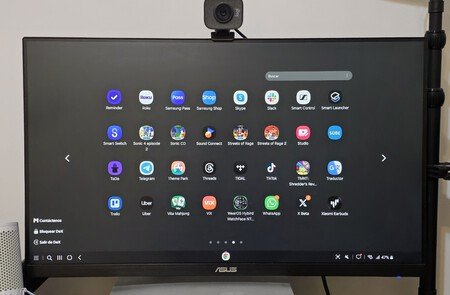
Manufacturers like Samsung or Google already include a native Android desktop mode. Now Android (merged with ChromeOS) wants to reach computers
What’s wrong with Chromebooks?. The transition will be a major challenge for the ecosystem. The document talks about the transition strategy from ChromeOS to Aluminum, which involves a coexistence period. It is likely that current devices will continue to receive support until new releases are released with the updated system.
An upgrade isn’t out of the question for the latest models with compatible hardware (such as those using 12th Gen Intel chips or the Kompanio 520 where it’s tested), but porting such a diverse range of devices without breaking the bank will be a tall order.
Cover Image | Generated by Pepu Ricca for Xataka Android (edited)
In Xataka Android | I’ve been using Google Chrome on my mobile phone for years. Comet for Android made me uninstall it