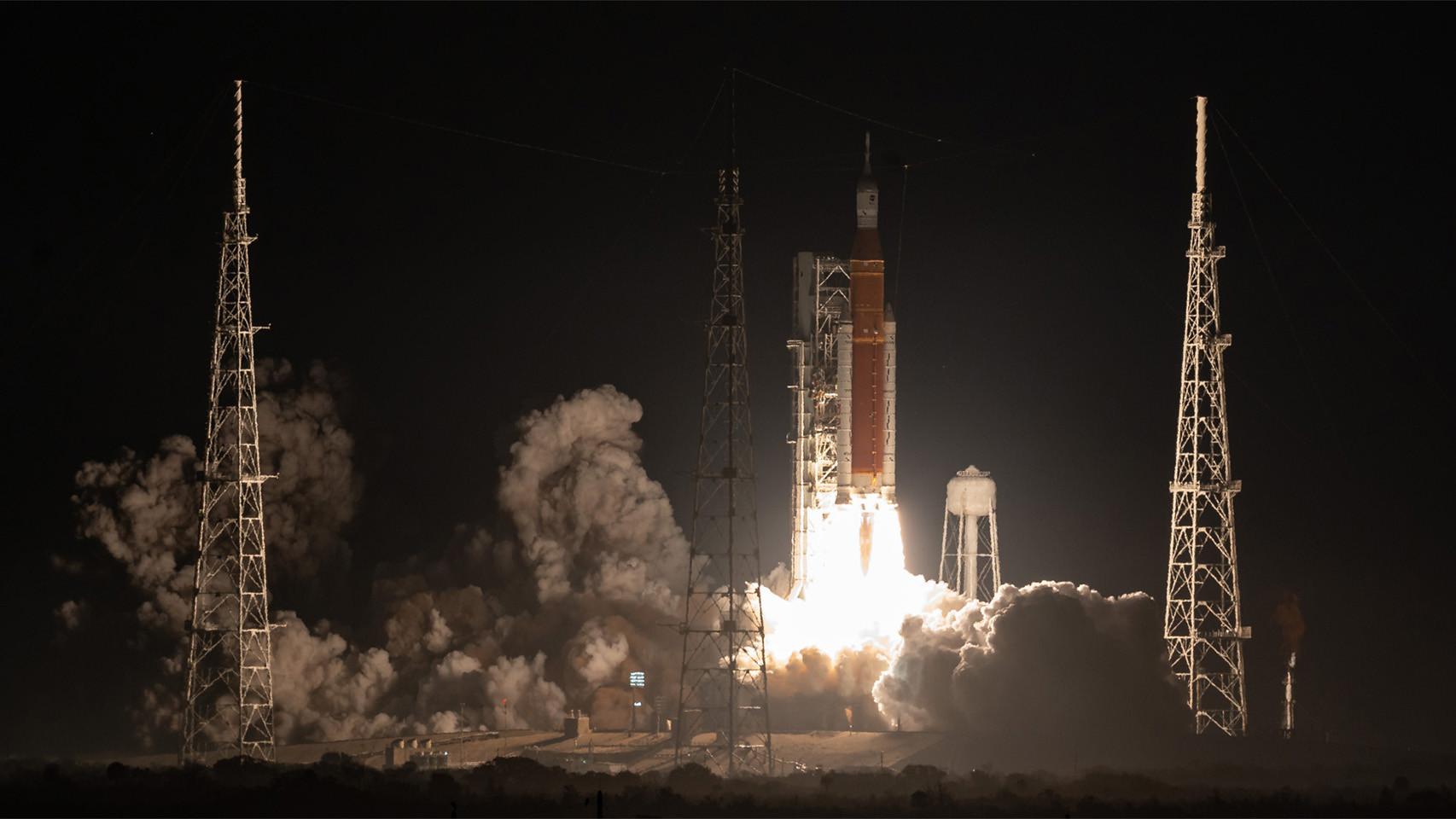
Over the years, NASA has implemented many initiatives to bring its huge space projects closer to people. Especially based on tradition: allowing users to submit their names to missions like Solar Parker or VIPER.
Artemis II, which will be the first manned mission around the Moon and which will serve as a prelude to the future Artemis III, which will put us back on the moon, will be no less. NASA will let you send your name into space in a symbolic way.
The North American space agency has adapted its website to allow the creation of a personalized boarding pass with a personalized access code. The idea is simple; that astronauts travel on Artemis II have your name on the USB.
Your name is on the Artemis II mission
This initiative has become almost a tradition for NASA. In recent years, we’ve seen this exact idea repeated in some of their latest missions. It was the Clipper incident that prompted NASA to request our name in order to send it on a microchip to Jupiter.
The agency repeats its move, this time with Artemis II. On the website of the organization, we can write our first and last name, as well as create a personal code to create this virtual boarding pass.
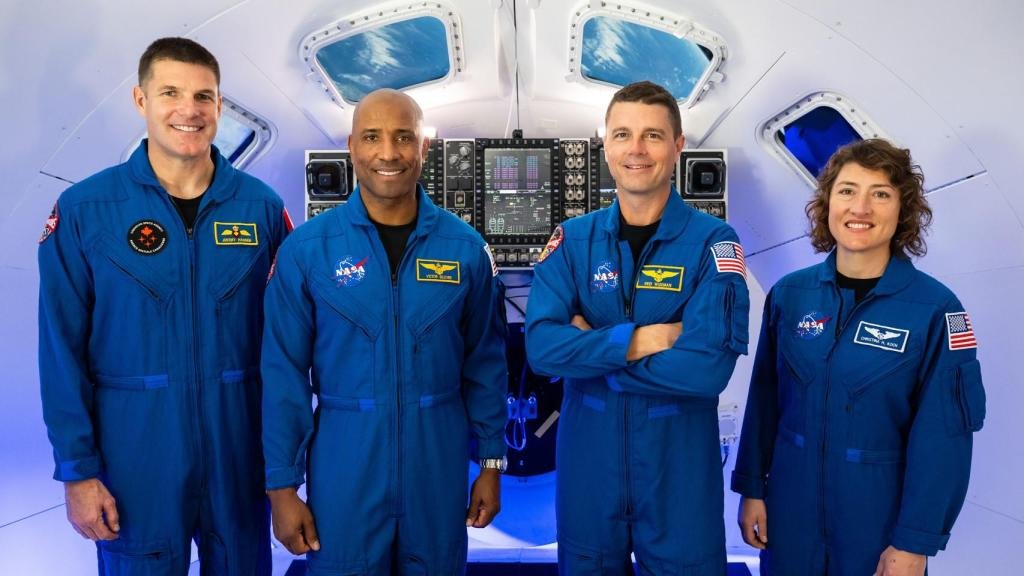
The crew of Artemis II
Omicron
Be careful, it is important that we do not lose this code, as NASA will not allow you to recover the PIN associated with this boarding pass. We remind you that this procedure does not require registration on the NASA website.
And what will be done with the names? According to NASA, all the names received will be included on a USB stick that will fly in the Orion spacecraft when the mission launches next April.

At the time of this writing, NASA has stockpiled more than 900,000 boarding passes, or what is the same, first and last names to create these maps that we can download and consult whenever we want.
Of course, this does not affect the user; Our name will simply be in open space, although logically it will not leave the tourist capsule that will house the four Artemis II astronauts.
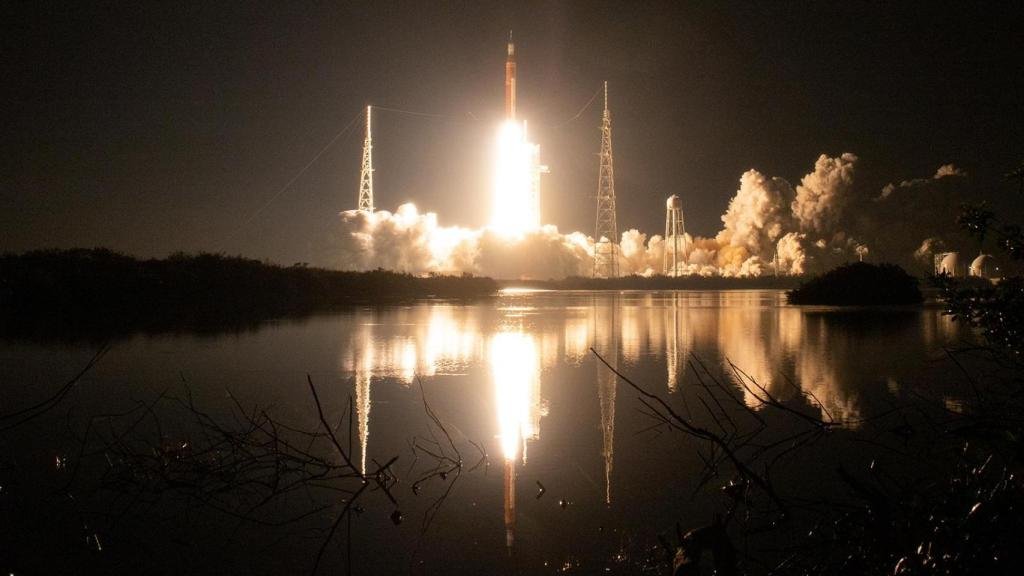
Takeoff of the first Artemis mission.
Omicron
The mission will take four astronauts on a journey around the moon that will serve as a preamble to Artemis II in 2026. It consists of Reid Wiseman as crew commander, Victor Glover as pilot, and Christina Koch and Jeremy Hansen as mission specialists.
Artemis II will be designed to test some critical mission survival systems in high Earth orbit. The craft will take advantage of the Moon’s gravity to make an orbit and return to Earth without the use of engines, using only the force of gravity.
Although there will be no lunar landing, important data about Orion and crew performance will be collected to assess how ready Artemis is to send humans to the lunar surface. It will be with Artemis III when we see this landing.
The achievement of the mission will be twofold; Artemis will be the first mission in taking a woman and a colored man to the surface of the moon. It will also host the first international astronaut on this mission.
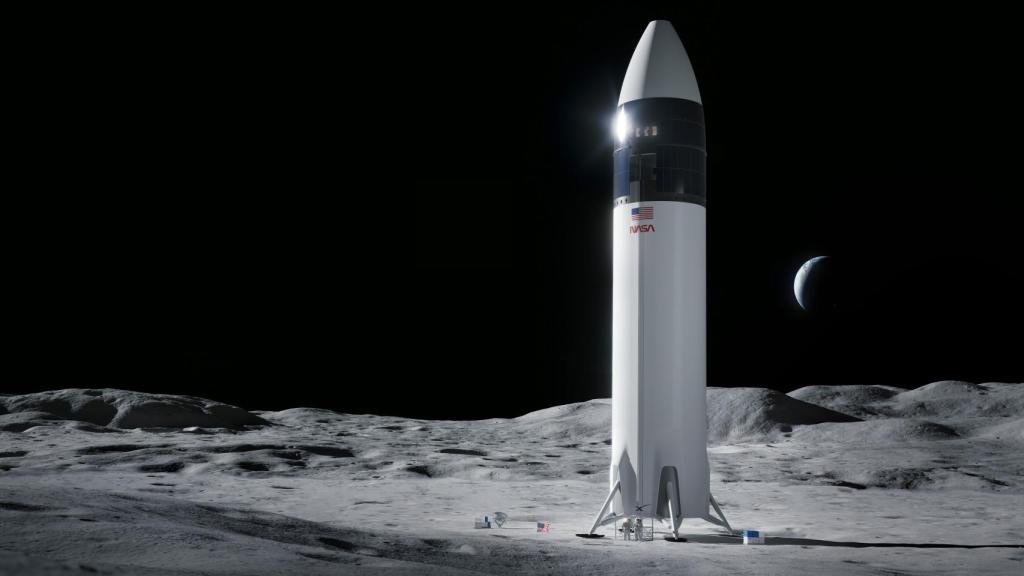
Lunar vehicle based on the starship on Artemis III
Although delays are possible, NASA hopes to land Artemis II in mid-2027, if all goes well. In September of this year, the agency confirmed that it would attempt to take down Artemis II between February and April of next year.