
At the beginning of each year, thousands of young people face one of the most crucial decisions of their academic and professional lives: choosing a university career.
This stage of uncertainty, marked by family and social expectations, is now being crossed by the emergence of artificial intelligence (AI), a phenomenon that has transformed the labor market and raises new questions about the future of many professions.
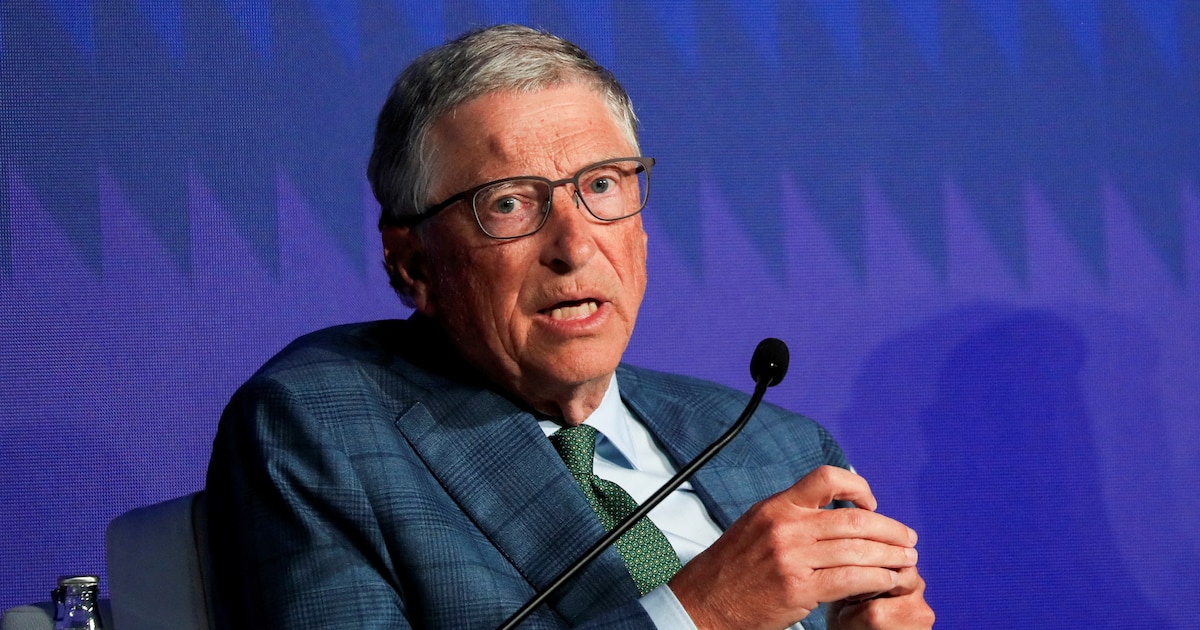
In this context, Bill Gates, co-founder of Microsoft, shared his vision of areas of research that can provide greater stability of work in the context of automation.
According to the businessman, There are disciplines in which human intervention is indispensableas they require capabilities that technology has not yet been able to fully replicate.

Concerns about the replacement of jobs by algorithms entered the public debate. A report by the International Labor Organization, prepared jointly with the National Research Institute of Poland, notes that every fourth job in the world is potentially affected by generative artificial intelligence.
Administrative professions top the list of the most vulnerablewhile members of highly skilled occupations show greater resilience. Human intervention will continue to be important in activities that require judgment, creativity and the ability to adapt to unforeseen situations.
Bill Gates agrees with this vision and notes that fields such as programming, biology, and energy will remain strong because they require skills that autonomous systems cannot fully adopt.
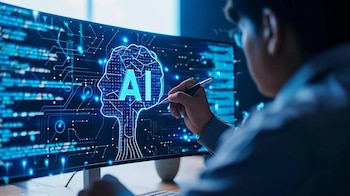
For Bill Gates, Programming is a fundamental form of literacy in the 21st century. Software development acts as the base language of strategic sectors, including healthcare, communications and security.
The businessman warns: “while artificial intelligence can write code, it still needs expert human supervision to develop it correctly.”
The work of software professionals is not limited to creating digital toolsbut involves critical analysis and decision-making tasks in complex scenarios.

Developments in biotechnology, gene editing, and personalized medicine have created a demand for biology specialists. According to Gates, this discipline has taken on a central role in solving new medical problems.
Human experience and judgment are critical, especially in pandemic or chronic disease settings, where the analysis of living systems and the interpretation of biomedical data require judgments that algorithms cannot replicate.
Gates argues that the energy transition is one of the most important challenges of our time, and emphasizes the need for professionals ready to lead the process. Innovation in this sector responds to the urgency of the environment and is a constant source of jobs and scientific opportunities.

The energy sector has assumed a strategic role in the transition to clean sources and the fight against climate change. Gates emphasizes the importance of experts developing technologies such as carbon capture and green hydrogen.
Although artificial intelligence contributes to the optimization of processes in the energy industry, it cannot replace the creativity and human judgment necessary to solve the problems of sustainable development.
Resistance to automation depends on career choicesand willingness to update knowledge and develop cross-cutting skills.
Likewise, both leaders and research recommend taking a flexible approach and staying alert to labor market trends. The ability to adapt together with good training in strategic areas offers greater assurance in a scenario of constant change.


