
Honda abandons more than a century of structural strength: its new platform aims for controlled flexibility to improve grip, handling and comfort in 2027 models
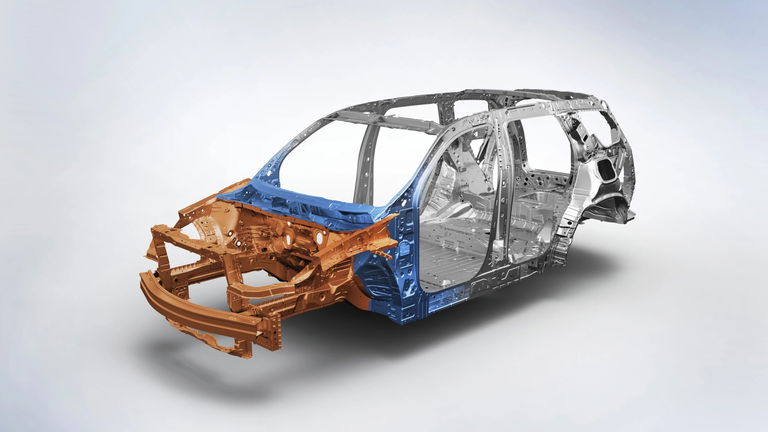
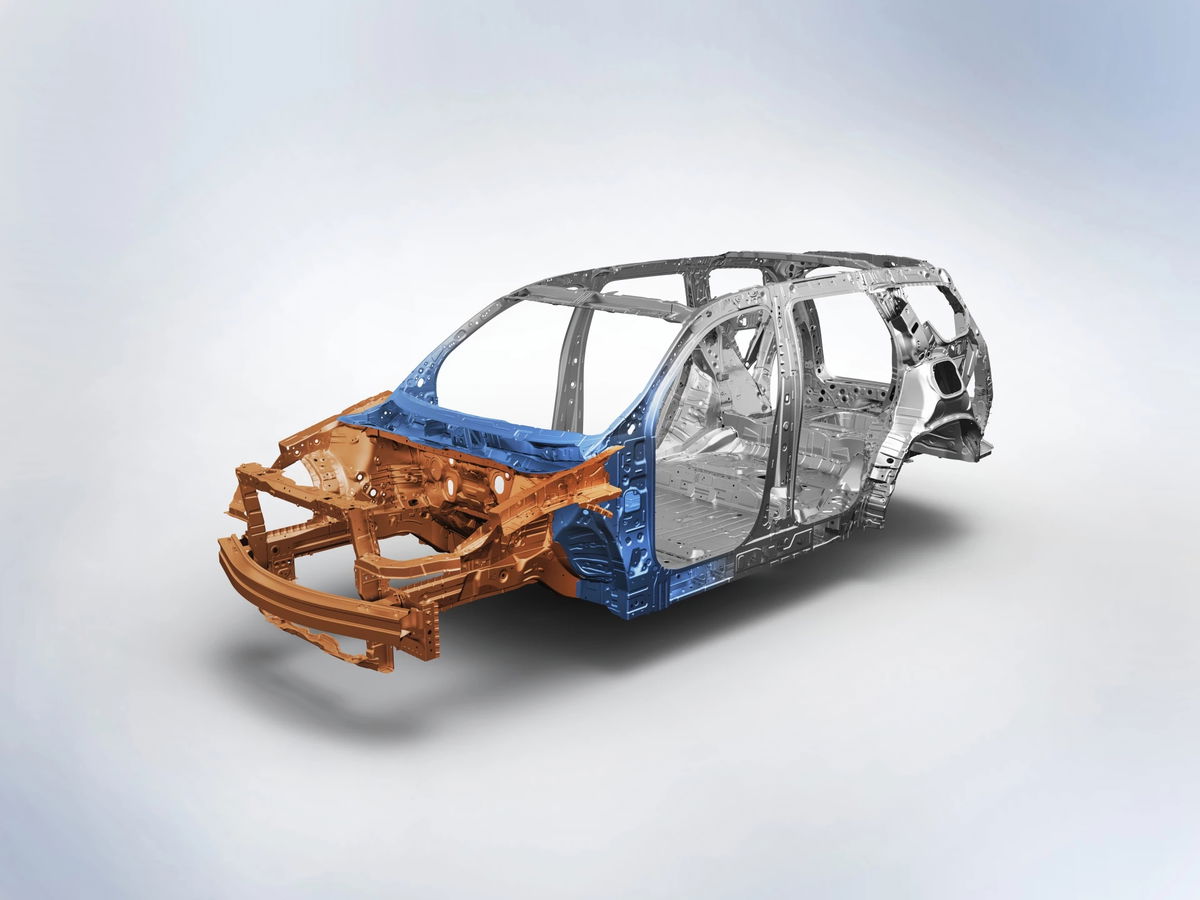
Honda introduced a chassis platform that includes controlled front flexbreaking the industry’s obsession with absolute structural rigidity. The system will appear in 2027 for models such as Civic, CR-V, Pilot and Odysseyin addition to several electric vehicles in development, and promises to improve grip, handling and comfort in a completely different way than usual.
The idea is simple but radical. According to New Atlas, instead of stiffening the chassis to keep the wheels glued to the ground, Honda lets the front to bend in a calculated manner when the car turns or goes over potholes. This pushes the outside wheel down when cornering, improving traction without such dependence on the suspension. Thirty years ago, this would have been impossible: the tires of that time could not withstand such lateral movements without losing stability. They do from now on.
A chassis that moves so that the wheels do not lose ground
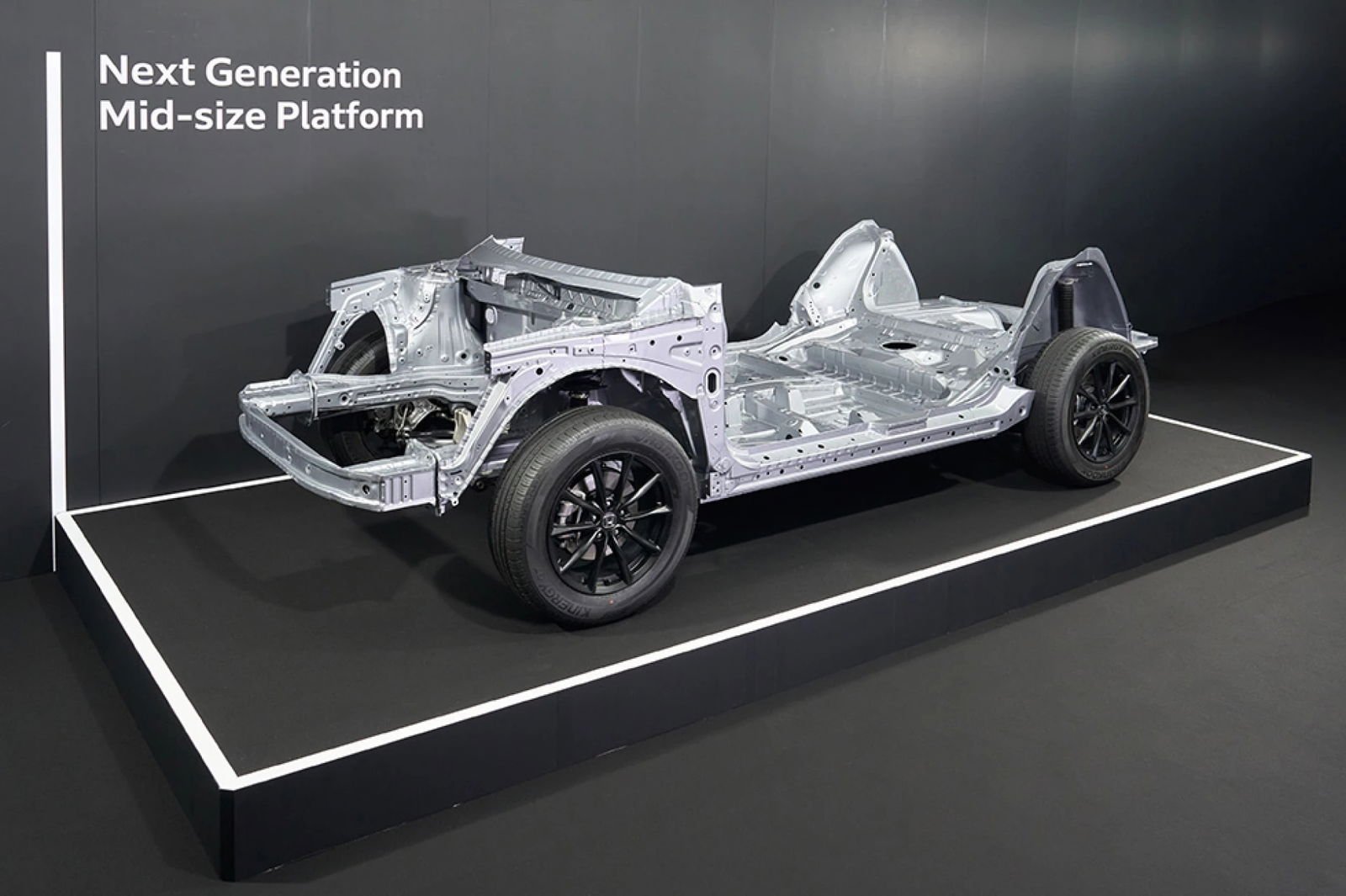
This chassis will go on models from the Civic to the Odyssey
The trick is to take advantage chassis flexibility without going beyond what the tire can supportthereby reducing the work the suspension must do. The result: more steering feel, less noticeable potholes and a solution to the understeer problem found in cars with a lot of front end mass.
Also causes roll when cornering you sit in the cabin lesswhich is valued in SUVs and minivans. It’s an approach aimed at improving the driving experience with mechanical solutions, just as manufacturers like Mercedes are ditching touchscreens and bringing back physical buttons for similar real-world usability reasons.
This platform will appear in 2027 Odyssey, Civic, Pilot and CR-Vin addition to several electric vehicles that Honda has in development. The structure divides a 60% of parts between different modelswhich allows the use of less aluminum and other expensive materials without compromising weight reduction.
Honda has also placed its ACE safety structure here, as evidenced by tests conducted in Ohio and Japan exceeds current brand standards for impact. The solution contrasts with other more spectacular approaches, such as BYD’s air suspension system, which can literally make the car jump, although both aim to improve dynamic behavior on different trajectories.
The flexible chassis will come with the accompaniment A nimble guide to managementthe pitch control system that Honda debuted in the Prelude and Accord, and new Traffic control system for stability. The combination allows for better regulation of the car’s response in tight turns or when the asphalt does not grip equally everywhere.
Honda also says that will reduce weight and optimize the use of materialssomething key to their electric future at a time when brands like Sony are betting on stuffing their prototypes with dozens of cameras and artificial intelligence systems.
Honda’s flexible chassis is another technical bet: look for it rethink how chassis have been built for over a hundred years to achieve better grip and handling without adding stiffness. If it works as promised, millions of Honda cars will be produced starting in 2027.


