

A new version of Ray-Ban smart glasses from Meta is about to hit the market with the task of overcoming the commercial fiasco of its predecessor. And according to what was revealed in his presentation this week at Meta Connect, he has signs of achieving that goal. The goal is to improve the way these devices are used with technical improvements that will allow the operator to broadcast live broadcasts in good quality, in addition to many other features that users did not have in the first version.
The device will go on sale in mid-October and will have a price of 360 euros, which is slightly more than the 321 it cost until now. To justify this small increase, Meta engineers promise to “free you from the limitations of a portable camera” and “take a photo or record a video from your unique point of view, allowing you not only to experience the moment, but to live it.”
An ultra-wide-angle camera and the ability to interact with Meta AI
One of the great new features is the new 12MP ultra-wide-angle camera, which lets you take 1080p photos and videos up to 60 seconds long, ensuring that “whether you’re enjoying spectacular views on a tour or living your best life in art. on display, the evidence of your exploits will be as epic as the real thing.”
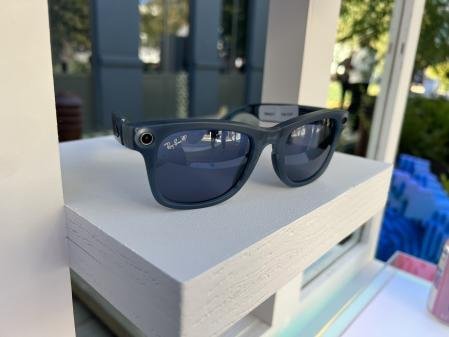
Ray-Ban Meta smart glasses unveiled today at the annual Meta Connect event in Menlo Park, California (USA).
It will also be possible to interact with Meta AI, Meta’s chatbot, which will serve us hands-free and with options to “awaken your creativity, get information and control functions just by using your voice”, although these options are expected to be expanded upon release.
Other advancements introduced by these new Meta glasses are an improved sound system with new speakers that allow you to increase the maximum volume; weight loss; water resistance and a Qualcomm Snapdragon AR1 Gen1 processor for faster video and photo processing.
The second generation of smart glasses from Meta came to overcome the commercial failure of Ray-Ban Stories, which went on sale last year and did not gain popularity. Meta believes they have identified the reasons for this frustration and listened to customers to get them excited about this new version.


