
The number of players worldwide will reach 3.38 billion in 2023, an increase of +6.3% compared to the same period last year, according to the Newzoo platform, a global leader in the field of data analysis of the eSports sector.
Of these, 335 million are in Latin America. In short, Asia Pacific represents more than half of the players worldwide, thanks to large markets such as India and China, and gaming countries such as Japan and South Korea. Meanwhile, North America and Europe account for 20% of players.
Relatively speaking, the less developed markets of the Middle East, Africa and Latin America will enjoy the highest growth in the number of players in 2023.
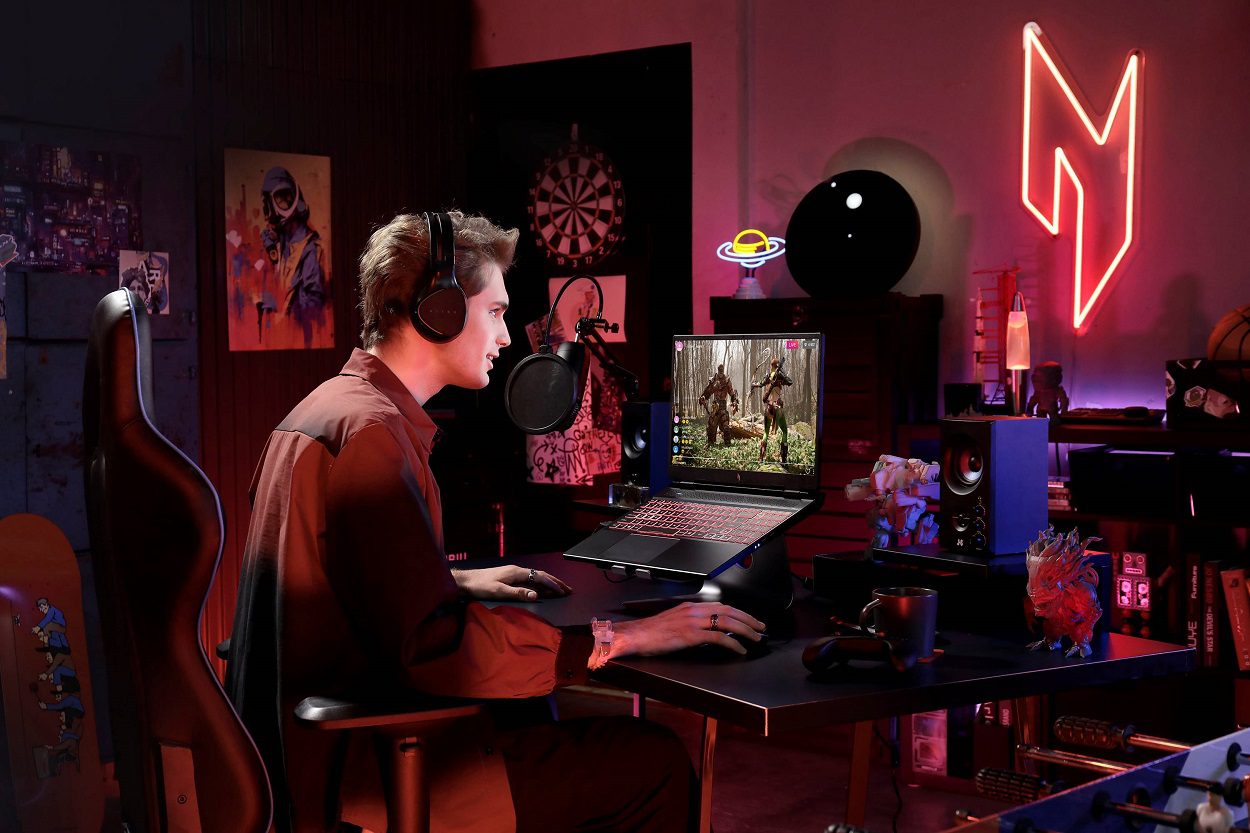
Within this universe, the PC gaming market is expected to continue to grow in 2023. According to forecasts, the revenue could reach 41 billion dollars by this year. This will represent an increase of approximately 8% compared to 2022.
Free-to-play and free-to-play games such as Fortnite, League of Legends and Valorant will continue to drive a significant portion of growth and are expected to account for around 80% of total PC revenue by 2023. Meanwhile, improvements in hardware such as more powerful graphics cards from Nvidia and AMD, will help improve the gaming experience and technology adoption.
According to market research, the most popular genres will be multiplayer online games, MOBAs like League of Legends, and shooters like Valorant and Apex Legends. Indie games will also gain popularity.
“We continue to see strong momentum in PC gaming, driven by new hardware releases and an ever-growing player base. We expect the PC market to generate significant revenue through 2023, consolidating its position as one of the leading gaming platforms,” Activision Blizzard, one of the most successful gaming and interactive entertainment corporations, said in its Q3 2022 financial report.
For their part, companies such as Acer, leaders in the gaming segment with lines such as Nitro and Predator, are talking about continuing to strengthen their positions in this market with an offer that touches the entire ecosystem: from more 3D products, new businesses, such as the development of energy drinks, apparel for gamers, new accessories, event sponsorships and more.
PC and console gamers, you know
¿What is happening to the world of PC and console gamers?
- The player base for PC and consoles is becoming more and more diverse
PC and console games are more accessible than ever, are relatively cheap, and can be played on a variety of devices including PCs, Macs, and laptops. Console games are also relatively cheap and can be played on a variety of devices including PlayStation, Xbox and Nintendo Switch.
2. Cross-platform games are becoming more common
Cross-platform gamers are an attractive group for game developers and publishers, as they tend to spend more time and money on video games than single-platform gamers. According to Newzoo research, 66% of PC and console gamers have played on more than one platform in the past six months, with 25% playing on all three major platforms (PC, console and mobile).
3. The most equal computer and console games
There are a number of reasons why more women and non-binary gamers are playing on PC and consoles. One reason is that games are becoming more diverse and inclusive. There are more titles targeting women and non-binary gamers, and more strong, well-developed female characters. Another reason is that games are becoming more accessible. Finally, they become more accepted by society. There are more women who are open about their gaming hobbies and more female public figures who are known to be gamers.
4. Gamers are responding to a variety of new monetization models
Access to exclusive content, acceleration of progress, developer support, communication and enjoyment of the game are the reasons why players are willing to invest because they provide entertainment, fun and socialization.
5. Motives for social games are increasing
The motivation to play is constantly changing, and different games satisfy different motivational needs depending on the players. About six in ten PC and/or console gamers consider various social features (social communication, competition, collaboration) important in games. This suggests that game developers should provide features that create additional and unique opportunities for player interaction.