
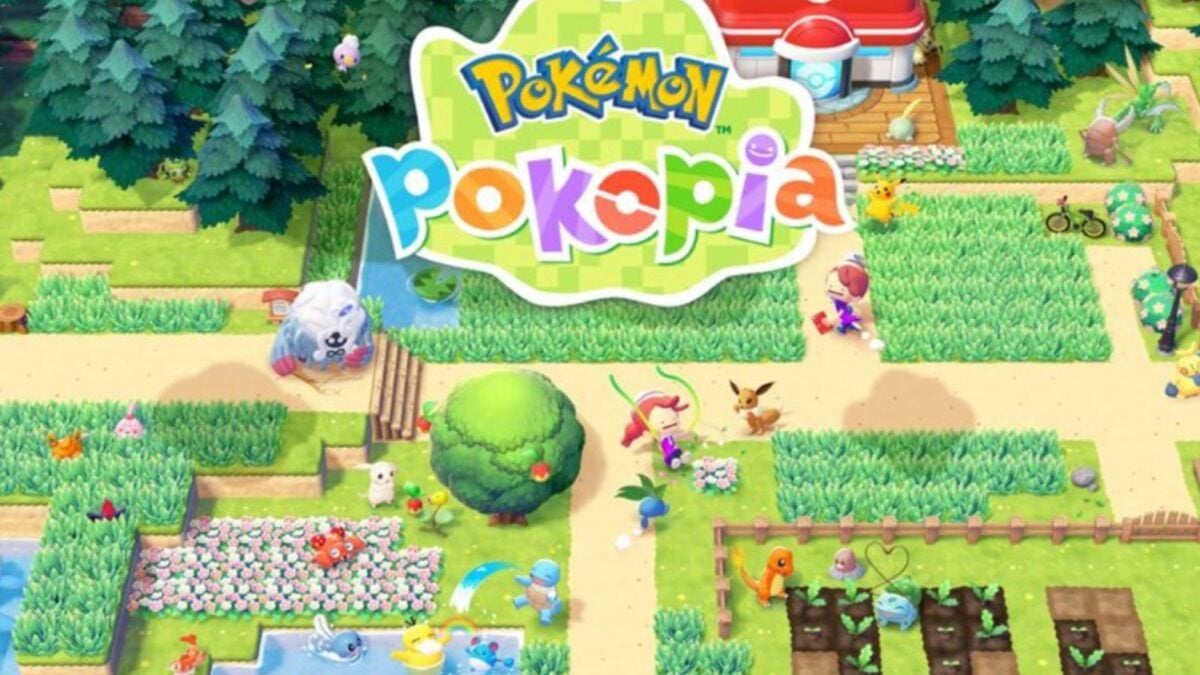
For decades, the relationship with Pokémon has been defined by fighting, training, and catching. Talking to them, on the other hand, was always something anecdotal. About to change. According to an article published in Kotaku, Pokémon Pokopia was born with a very clear idea: to turn Pokémon into characters you talk to, not just battle buddies.
A byproduct that prefers coexistence over combat
Pokémon Pokopia scheduled for Nintendo Switch 2it is not presented as a classic RPG. The development team, made up of creative people from Koei Tecmo and Game Freak, defines it as a social simulation, exploration and construction experience that is closer to living together than to competition.
In recent interviews, those responsible explained that the main goal was not to create a complex battle system, but rather a world populated by Pokemon with their own identity. Each creature acts as a neighbor with whom you can interact, communicate and build progressive relationships.
This philosophy is reminiscent of what many players appreciated in Pokémon Mystery Dungeon, where Pokémon expressed emotions and motivations. Pokopia borrows this idea, but takes it to a more open and mundane environment.
We reviewed Pokémon Pokopia and were impressed and excited by its gameplay. With elements of Minecraft and Animal Crossing, it stands out from other Pokémon spin-offs and is one of the most anticipated games of the year. https://t.co/z2triK0M0j pic.twitter.com/5kE14gS6Nz
— Game Informer (@gameinformer) February 11, 2026
Dialogue as a pillar of design
What impressed me most about the project was the scale of the scenario. According to Kotaku, the developers wrote an unusually large amount of dialogue to avoid generic or repetitive phrases. Each species has variations in tone, humor, and responses depending on the context.
Talking to Pokemon is not a procedure. Conversations can provide clues, create emotional connections, or simply enhance the sense of company. The intention is for the player to feel that the world is responsive, that the creatures are not just there for decoration.
The team itself admits that writing has been seen as a pillar of the design from the start. This wasn’t a last-minute addition, but a structural part of the game on the same level as exploration or environmental management.
Location and Individuality: A Key Issue
This commitment to dialogue also involved special efforts in localization. Translating the texts wasn’t enough: each Pokemon’s personality had to be preserved in different languages. According to the developers, the nuances were carefully considered so that not all voices sound the same.
In a game focused on interaction, losing these distinctions would mean diluting its core proposition. Thus, the language adaptation process became an extension of the narrative design.
A possible precedent for future Pokémon
Pokémon Pokopia isn’t aiming to be the biggest or most technically ambitious game in the series. Their stake is different: proximity. If it lives up to its promise, it could redefine the way we understand the relationship between trainers and Pokemon in future spin-offs.
According to Kotaku, this approach could mark the before and after of making connections in the Pokémon universe. It’s not just about winning battles, it’s about sharing space, routines, and conversations that give meaning to coexistence.
When the experience works, talking to Pokemon will stop being a curiosity and become the essence of the game. And for a saga with almost 30 years of history, this is a minor change.
Fuente: Kotaku.


