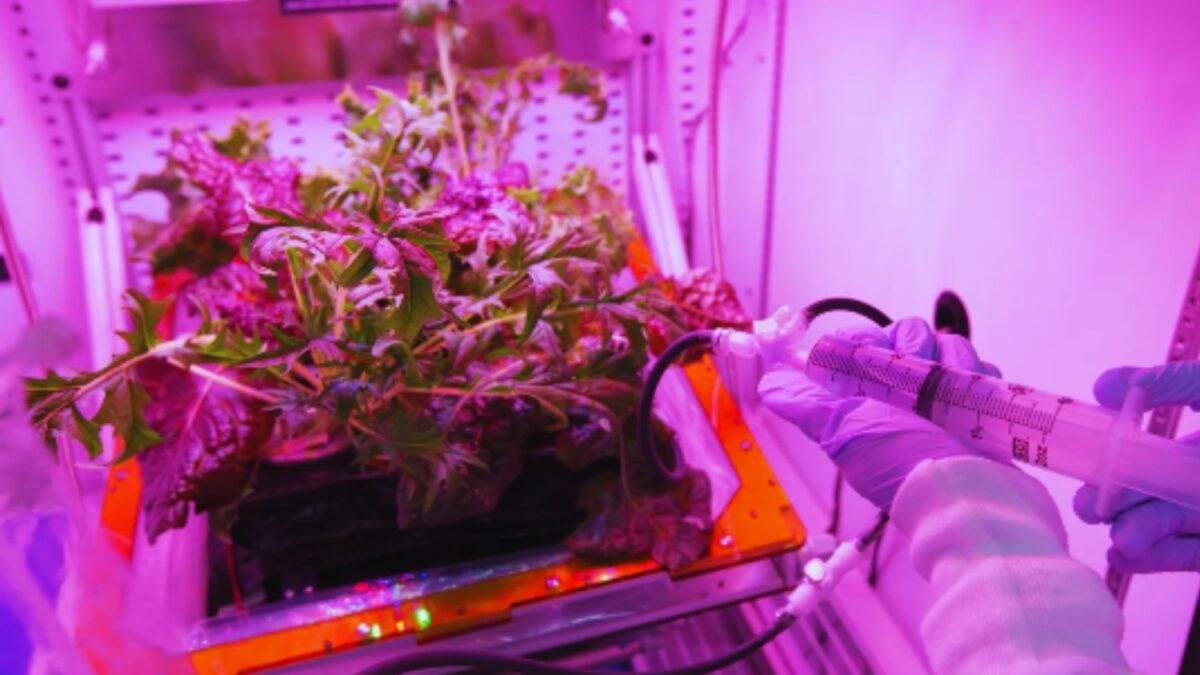
Missions to the Moon and Mars have for many years focused on rockets, pressurized habitats, and spacesuits. But now a new scientific front is beginning to take center stage: plants. More than 40 researchers from 11 countries are working to ensure that future astronauts can grow fresh food far from Earth. And not only that. If the plan works, these plants will become the biological heart that supports human life beyond our planet.
A new bioregenerative framework that wants to turn plants into complete life support systems
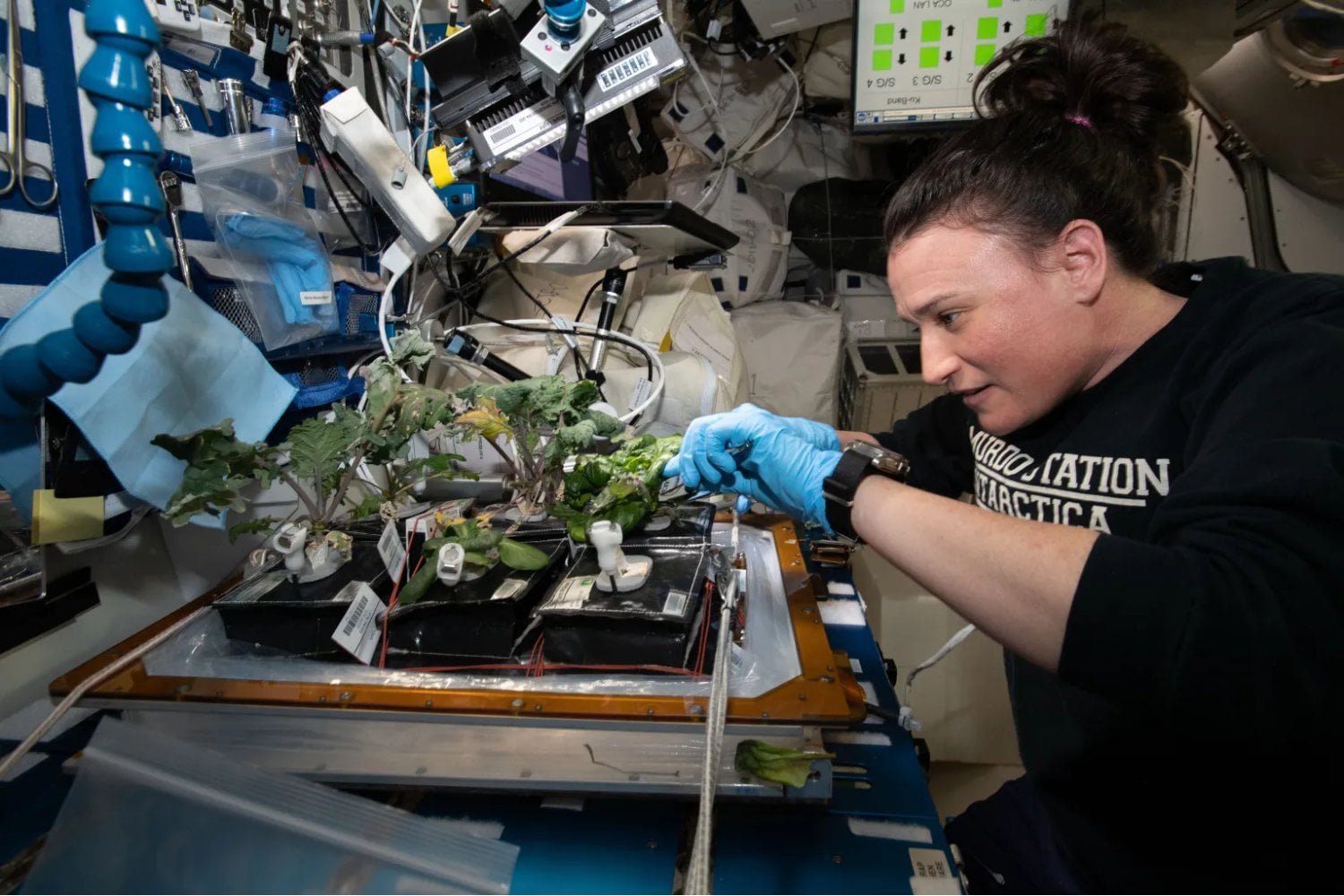
The project, published in New Phytologist, proposes major changes to the way crops are evaluated for space. A team led by the Australian Research Council’s Center of Excellence for Plants for Space (P4S) is proposing a system called the Bioregenerative Life Support Readiness Level (BLSS), which expands on NASA’s traditional scale.
It is no longer just to see if the plant is growing. This includes measuring how well it recycles air, water and nutrients, what useful compounds it produces, how it tolerates radiation and whether it can create biomaterials or even medicine in an extraterrestrial habitat.
As Sigfredo Fuentes, co-author of the study, summarizes: “Plants are nature’s multitaskers. They provide oxygen, purify water, recycle waste, produce medicine, and even improve the mental health of astronauts.” In other words, the future lunar base could have a small greenhouse that functions as the ecological heart of the settlement.
Growing in microgravity: roots that float, water that doesn’t fall, and heat that doesn’t move
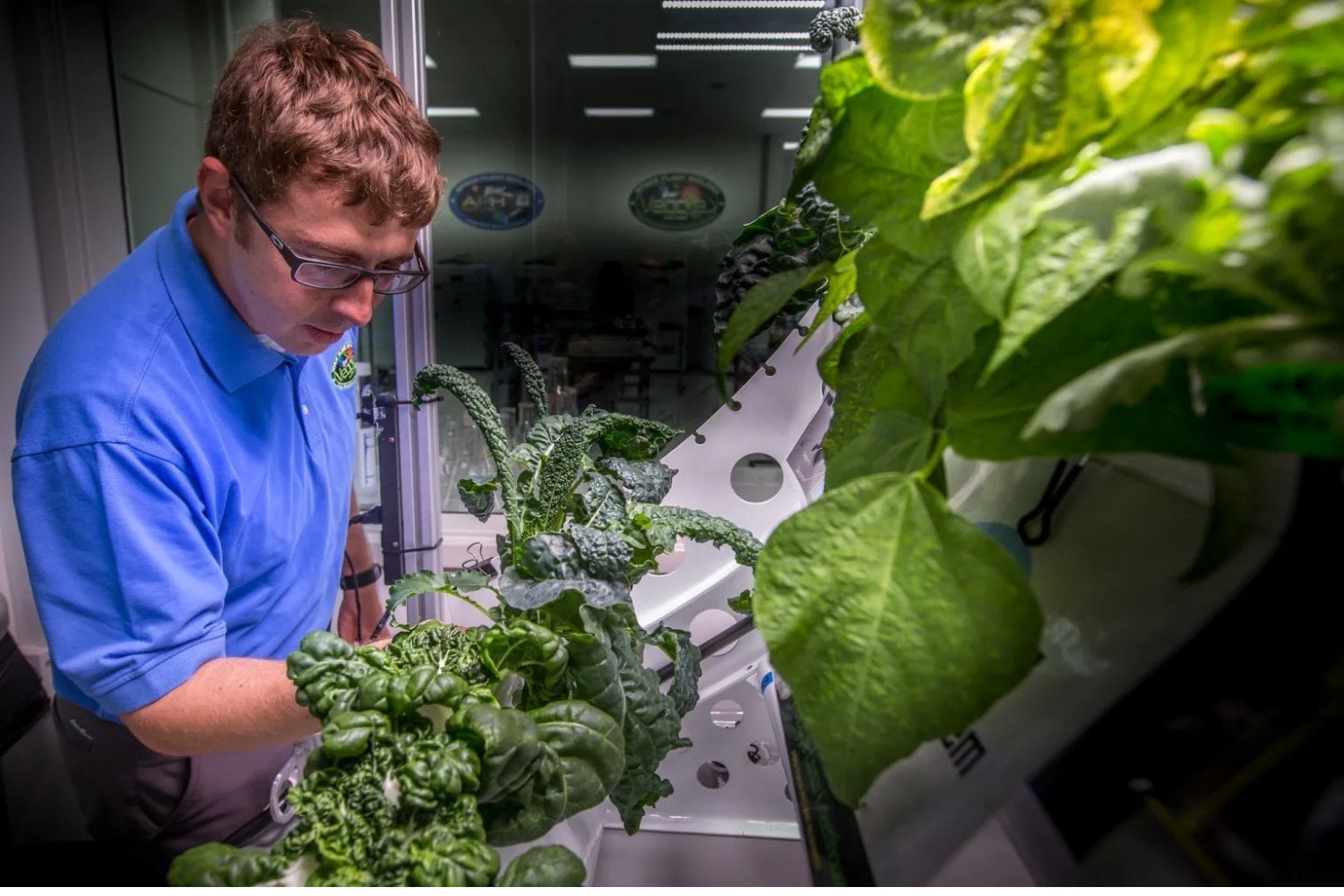
Despite the advantages, plants in space face problems that do not exist on Earth. Microgravity alters fluid flow, inhibits root nutrition, and eliminates natural convection, which impairs heat transfer and ventilation.
To anticipate these problems, scientists study gravitropism, the ability of plants to orient themselves according to gravity. Understanding how they behave in a weightless or partial-gravity environment — such as on the Moon or Mars — will be key to developing crops adapted to deep space.
2027: First harvest on the moon and laboratory dissemination between Earth and space
NASA will test this knowledge in a historical setting. The Artemis III mission, scheduled for late 2027, will bring three fast-growing plant species to the lunar surface as part of the LEAF (Lunar Effects on Agricultural Flora) experiment. During the week, the plants will develop in a hermetic climatic chamber on the moon.
Then 500 grams of plant tissue will return to Earth for comprehensive analysis: how it was affected by cosmic radiation, what mutations occurred and how the plant reacted to lunar gravity.
Some of this material will be studied in Australia by P4S and the University of Melbourne as part of a joint effort to map the biological effects of the lunar environment.
The Unexpected Role of Artificial Intelligence in Space Agriculture
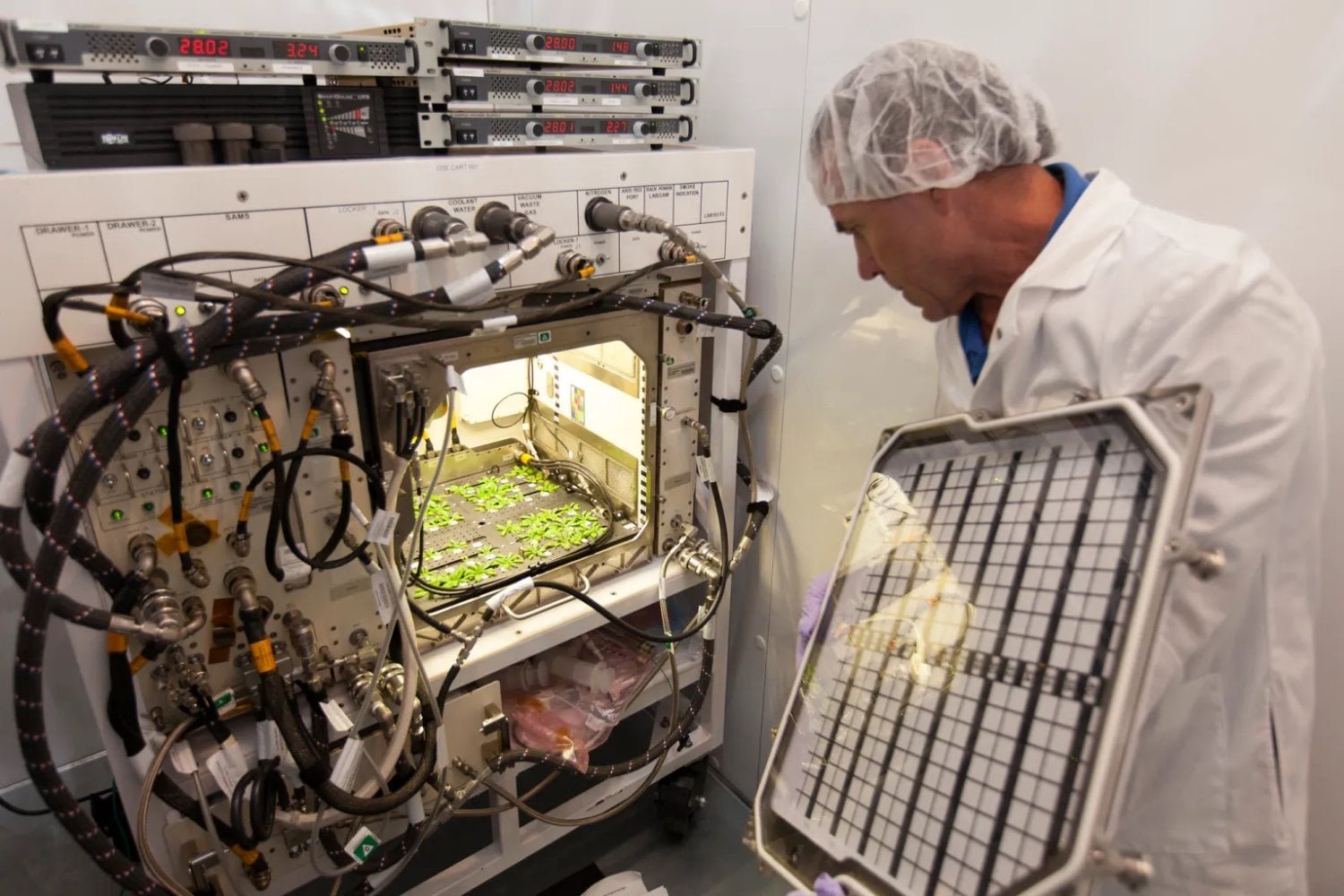
Extraterrestrial cultivation does not depend only on biology. The team uses artificial intelligence models that create digital twins of plants to regulate growth in real time. These systems integrate physiological, genetic and sensory data to prevent food fatigue in astronauts and ensure that crops are safe, nutritious and enjoyable for months or years.
What’s at stake when we think about plants outside of Earth
Plants grown in space will not be simple salads for astronauts. They will be an emotional connection to Earth, a symbol of self-sufficiency and a strategic tool for establishing permanent bases on the Moon and later on Mars.
The roadmap, developed by P4S and NASA, is in line with Artemis’ plans for a stable presence on the Moon by 2030 and manned missions to the Red Planet by mid-century. If it works, we will not only be talking about growing plants in