

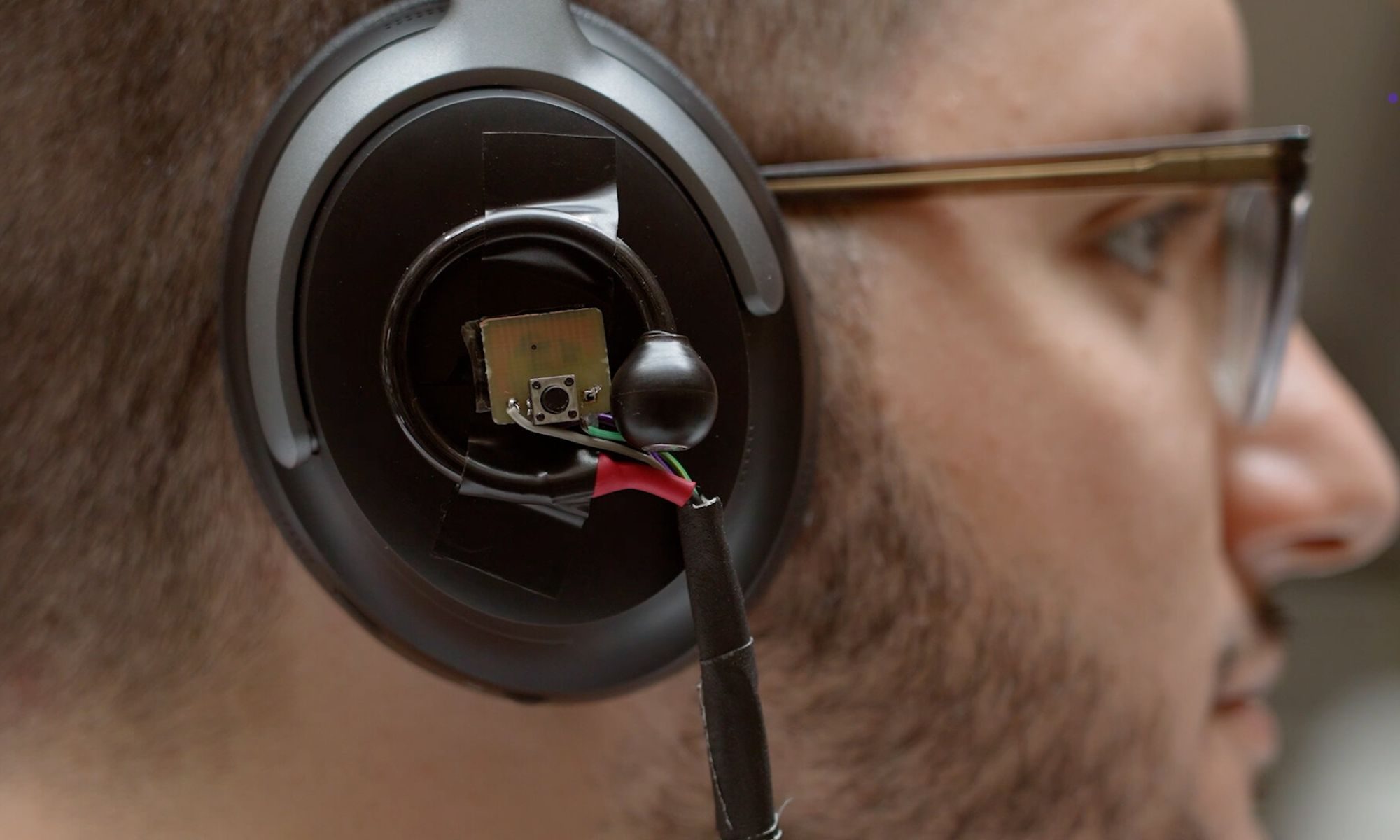
Researchers at the University of Washington have just unveiled a prototype that may finally fix one of the most annoying parts of being in a crowd: actually listening to the person next to you. The team created AI-powered headsets that can automatically isolate the voice of the person you’re talking to, even in a chaotic and noisy room.
The best? You don’t have to mess with the app or look at it speaker to make it work. The system is smart enough to detect the natural rhythm of a conversation and filter the audio accordingly, drowning out background noise while giving the other person a chance.
The team presented the research Nov. 7 at a major conference on language processing in Suzhou, China. Even better, they’ve released the code as open source so other scientists can continue to improve it.
How AI headsets work – and why it matters
The researchers call this system an “active hearing assistant.” It starts as soon as you start talking. The AI model listens to the moment—figures out who’s talking and when—and looks for the natural flow of conversation back and forth. A second AI model picks up those specific voices, cleans the sound, and delivers it to your ears.
In the first tests with 11 people, the difference was staggering. Participants rated the clarity and noise reduction to be more than twice that of standard unfiltered audio.
Today’s technology often requires you to do the work—for example, press a button or physically turn your head—so the hearing aid knows what to focus on. What makes this prototype different is that it determines your intent automatically, just by watching the flow of the chat.
Why it matters
Why You Should Worry: If you’ve ever turned down a conversation in a loud restaurant, you understand the difficulty. This technology could be a breakthrough in accessibility, allowing people with hearing loss or attention disorders like ADHD to stay focused on a conversation without having to actively filter out background noise.
What’s Next: From Headphones to Tiny Earbuds
The technology isn’t perfect yet. I find it a bit difficult when everyone is talking at once or when someone starts a long monologue. However, it already works in English, Chinese and Japanese, which is a good start.
Currently, the system works with regular headphones with additional microphones. But the UW team is already working to reduce it. They are conducting parallel research showing that these AI models can work with microcircuits small enough to fit into standard headphones. If they succeed, we could be looking at a future where “smart hearing” is simply a standard part of everyday life.


