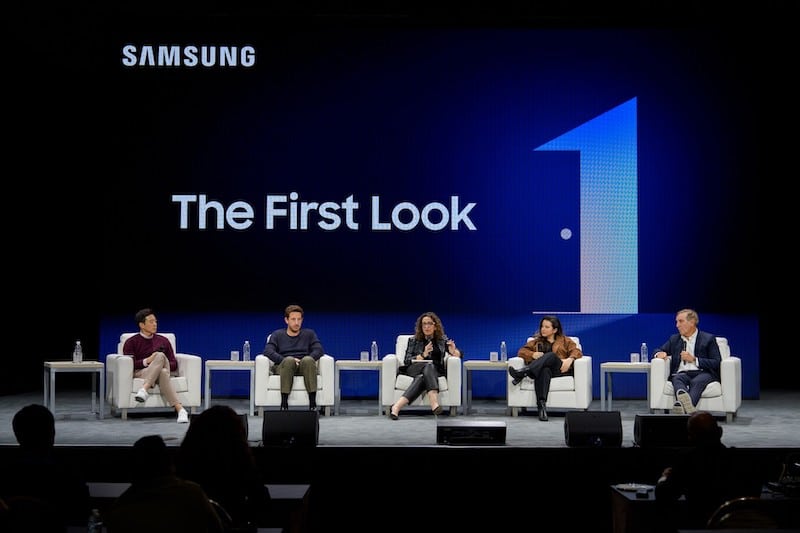
A panel of experts discussed the implications and how to build trust in the age of artificial intelligence at the Samsung Tech Forum series at CES 2026.
Author of Summa magazine
At CES 2026, Samsung brought together international experts in technology, research and ethics to discuss one of the most important challenges in artificial intelligence: trust. During a session at the Samsung Tech Forum in Las Vegas, the group discussed how security, privacy and transparency have become crucial factors for people to adopt artificial intelligence in their daily lives.
Panelists Eli K. Miller, CEO of Open Machine; Amy Webb, CEO, Future Today Strategy Group; Zach Kass, Global AI Advisor at ZKAI Advisory and former Head of Go-To-Market at Open AI; and Shin Baik, head of the Artificial Intelligence Platform Center (APC) at Samsung Electronics, agreed that trust in AI is not built on promises, but on systems that are predictable, understandable and under the user’s control. The debate focused on the importance of developing technologies that allow people to understand how they work, where their data is processed and what decisions are being automated.
It was also discussed how security should develop in an environment where artificial intelligence works distributed across multiple devices, emphasizing the need for comprehensive and constant protection of ecosystems.
Making invisible intelligence reliable
The conversation made it clear that as AI becomes more invisible and ubiquitous, trust will be a key element in determining its future and social acceptance.
“When it comes to artificial intelligence, users are looking for transparency and control,” said Ellie Miller. “They want to be leaders in their personalized experience: to understand whether the AI model is running on-premises or in the cloud, to know that their data is protected, and to see exactly what is working with AI and what is not. This level of visibility builds trust. There is a responsibility on the provider side to respond to users by designing personalized experiences based on the core components of trust: clarity, security and accountability.”
He emphasized that on-device AI allows personal data to remain local wherever possible, while cloud-based intelligence can be used selectively when greater speed or scale is required, providing flexibility for users without compromising privacy.
Security built for an AI-driven world
The panel also discussed how security should evolve as intelligence extends to smartphones, televisions and home appliances.
“Trust in artificial intelligence starts with proven security, not promised security,” Shin Baik said. “For more than a decade, Samsung Knox has offered a deeply integrated security platform designed to protect sensitive data at every level. But trust goes beyond a single device: it requires an ecosystem that protects itself. With Knox, devices are constantly authenticating and monitoring each other, so each one acts as a shield for the others, creating a resilient and secure environment that users can trust.”
As artificial intelligence becomes increasingly invisible, the commission concluded that the technologies that win trust in the long term will be those that prioritize security, transparency and meaningful user choice from the start.