As artificial intelligence continues to evolve, the mobile experience is rapidly evolving beyond simply following commands. A new paradigm is emerging of agentic AI capable of understanding intent and context to act autonomously on behalf of users.
In the midst of these changes, Samsung Electronics is positioning Bixby at the center. Officially launched on March 31, Bixby has evolved from a voice assistant to a “device agent” capable of understanding context, connecting features and performing complex tasks on the user’s behalf. With intuitive natural language control, Bixby offers personalized solutions based on device status, as well as seamless access to web information within a single conversation.
So what’s behind making Bixby more than just a voice assistant? Jisun Park, corporate executive vice president and head of the Language AI team in Mobile eXperience (MX) at Samsung Electronicsexplains it in detail.
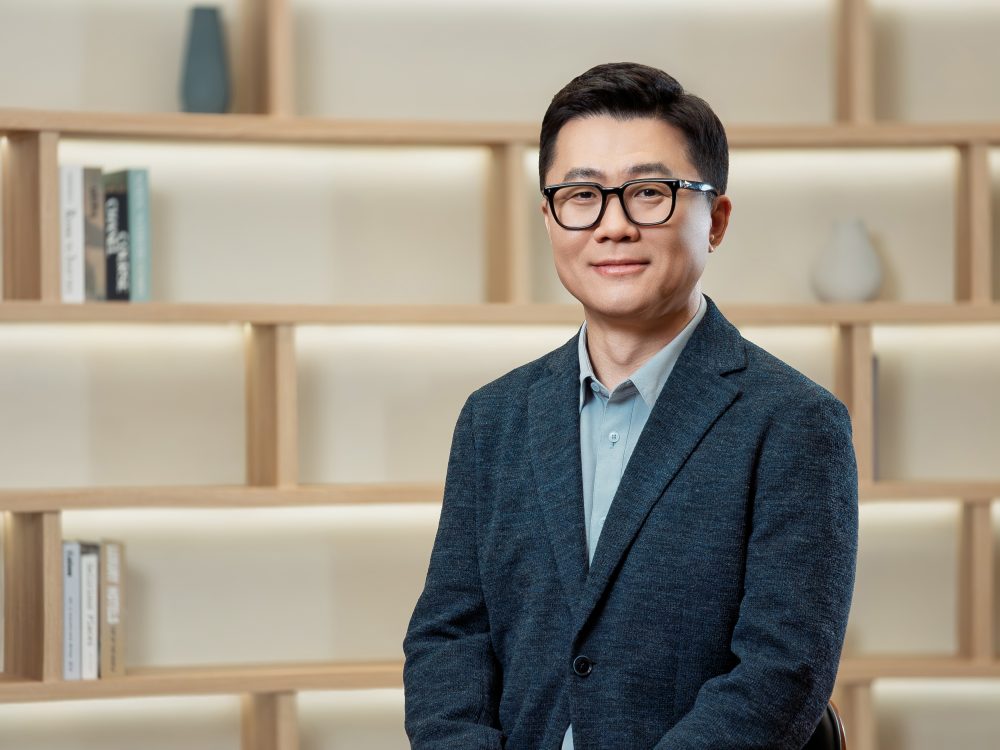
Jisoon Park, corporate executive vice president and head of the Language AI team in Mobile eXperience (MX) at Samsung Electronics.
What has changed with the new Bixby compared to the previous one?
Bixby has evolved into a more powerful device agent that goes beyond a traditional assistant. Optimized for each user’s smartphone, it deeply understands the state and capabilities of the device to offer more relevant answers and customized solutions. With improved natural language understanding, it also allows for more intuitive and seamless device control.
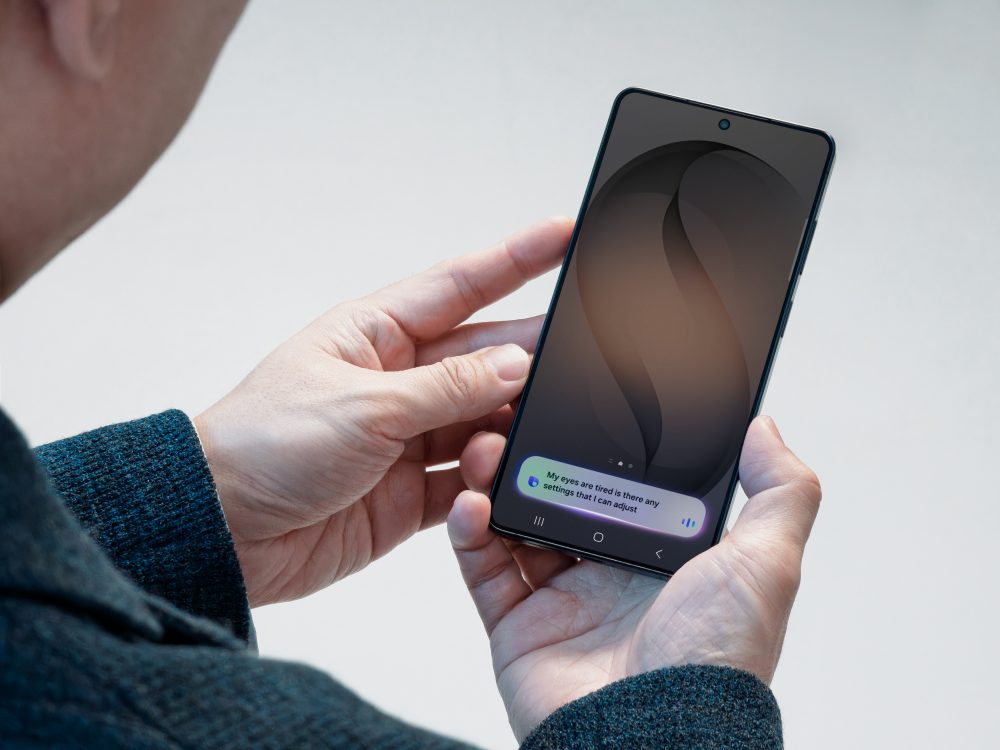
Jisun Park uses natural language to ask Bixby which device settings to change to reduce eye strain.
What key experiences can users expect from the new Bixby?
The most obvious improvement was the intuitive control of the device.
Bixby understands the user’s intent and recommends the most appropriate settings or features, eliminating the need to navigate menus or know the exact name of each feature. Users only have to describe in natural language what they want.
For example, when a user says, “Make my screen visible only to me,” Bixby activates the Privacy Screen feature.
Bixby can also answer questions about the device and offer customized solutions based on current settings; It’s basically like having a service center in your pocket. For example, if you ask “My eyes are bothering me, how can I make the screen more comfortable to view?”, Bixby will recommend and activate the Eye Comfort Shield feature right there.
Users can get answers and solutions by simply asking questions during a conversation, without having to search through settings or open separate apps like the browser or maps.
Additionally, Bixby is no longer limited to device-specific requests.
Now you can also analyze web information in real time and provide relevant responses. For example, users can ask, “Recommend three Korean restaurants in Seoul for a family of four” and get results directly in the conversation.
This allows users to naturally ask additional questions and get the information they need without interrupting the process or changing the context.
What was the most challenging part of the Bixby update process?
The biggest effort has been focused on redesigning Bixby’s architecture to move from a command-based system to an agent-based one, allowing better understanding of user intent and delivering optimal results.
Previously, Bixby categorized user input and performed tasks based on predefined scenarios. Now, with the LLM at your core, you can more flexibly interpret intent and create your own execution plans.
More specifically, we turned individual functions into callable agents and defined them so that LLM could activate them when needed. This allows the system to combine multiple functions and APIs to perform more meaningful tasks, going beyond simple natural language understanding.
As a result, Bixby now more naturally handles complex, multi-step queries with greater understanding of context, including scenarios that were previously difficult to handle.
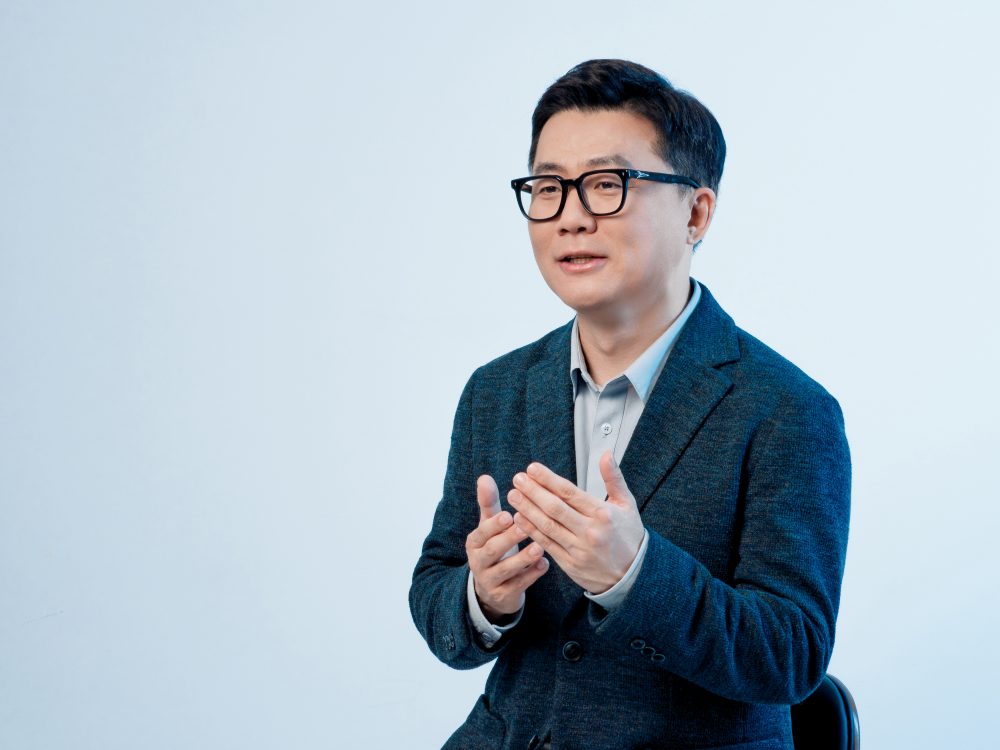
Jisoon Park explains the process by which Bixby became a device agent with a master’s degree in law.
Were there any particularly memorable episodes during development?
The improvement of the Korean language was especially memorable.
Since Bixby supports multiple languages, it’s important to ensure stable performance in all of them. Korean is known to be particularly challenging in an LLM environment due to its linguistic complexity. Their lexical forms vary greatly due to their rich system of particles and endings, and flexible word order means that meaning can change significantly depending on context, making it difficult for models to reliably interpret sentence structure and semantics.
There was a time when Korean performance indicators stagnated for a long period and the entire team spent many hours trying different approaches. For example, we refined the learning approach based on the LLM model to better reflect the linguistic characteristics of Korean, refined the model architecture, and strengthened contextual learning to improve context understanding.
However, the process was far from simple. There were frustrating times when even our most promising approaches didn’t always work. But by refusing to give up and continuing to search for a breakthrough, the team ultimately managed to exceed their original Korean performance goals by a wide margin.
This was the moment when the whole team really believed that this new Bixby was really different.
What role will Bixby play in Samsung’s transition into the era of agentic artificial intelligence?
Bixby will play a key role as a device agent, helping users to more easily access and use Samsung devices and use them to their full potential.
Essentially, agentic AI is about understanding intent and context to autonomously perform tasks on behalf of users, making everyday experiences easier and more convenient. With this, Samsung aims to accelerate the widespread adoption of artificial intelligence and eventually integrate it seamlessly into everyday life as if it were critical infrastructure.
With Bixby, users can discover and use a wide range of Galaxy AI features without requiring technical knowledge. In this way, Bixby lowers the market entry barrier for AI and helps more people enjoy AI experiences in their daily lives.
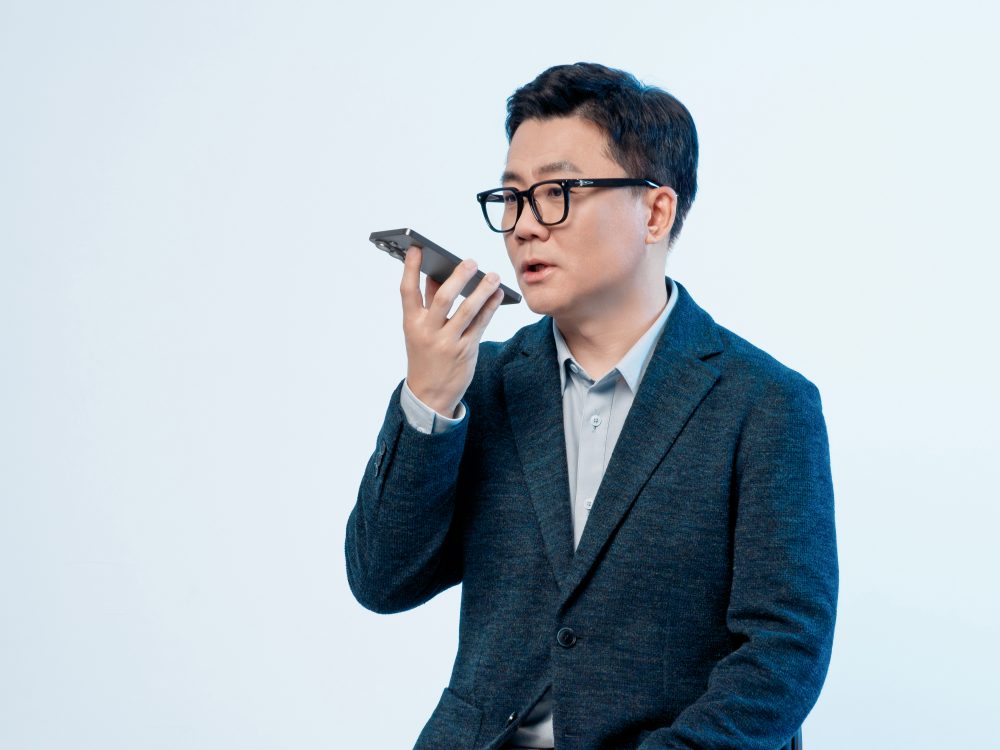
Jisun Park talks to the Galaxy S26 Ultra to demonstrate Bixby’s new agent capabilities
Bixby is now expanding beyond Galaxy mobile devices to other Samsung devices. Can you tell us more about it?
Bixby is now available on a wide range of Samsung devices outside of the Galaxy ecosystem, providing greater convenience for users.
This evolution of Bixby is now rolling out to more products in stages, allowing Samsung users to more conveniently control multiple devices around the home.
Thanks to integration with SmartThings, users can also remotely control home appliances using Galaxy devices. For example, when they are not at home, they can say, “Start mopping the floor” to the robot vacuum or “Put the air conditioner on dehumidification mode” before coming home.
This allows users to more easily manage their home environment even when they are away.
As Bixby continues to expand across devices, it offers a more integrated and connected experience, helping users enjoy greater convenience in their daily lives.
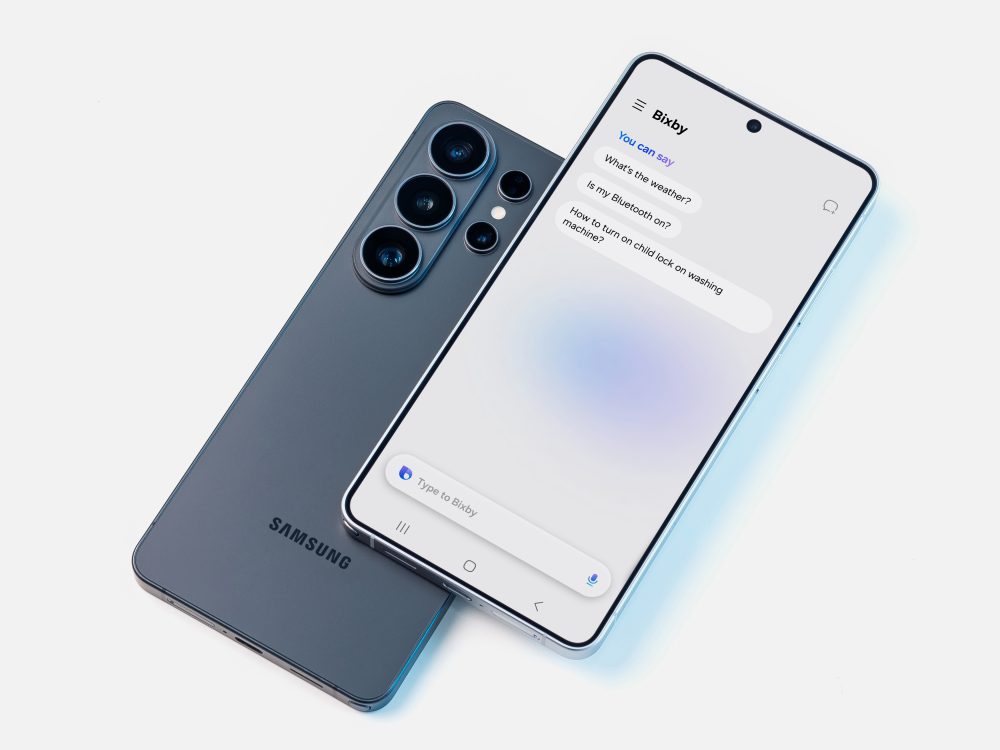
With Bixby, users can discover and use a wide range of Galaxy AI features in their daily lives without requiring technical knowledge.
What is the future direction and purpose of Bixby?
Our goal is to make Bixby the primary entry point for interacting with Samsung products.
In the past, users had to search for the right app, navigate menus, and move between multiple screens to complete a task.
With Bixby, all you have to do is talk to get things done. This means moving away from app- and menu-driven interactions to a more natural, conversation-driven experience.
To achieve this, we continue to continuously improve key AI capabilities such as natural language understanding, context-based reasoning, and planning.
At the same time, we’re expanding Bixby to more devices. As a device agent that understands each product and connects it to the user’s intent, Bixby will become a natural and seamless ally in everyday life.