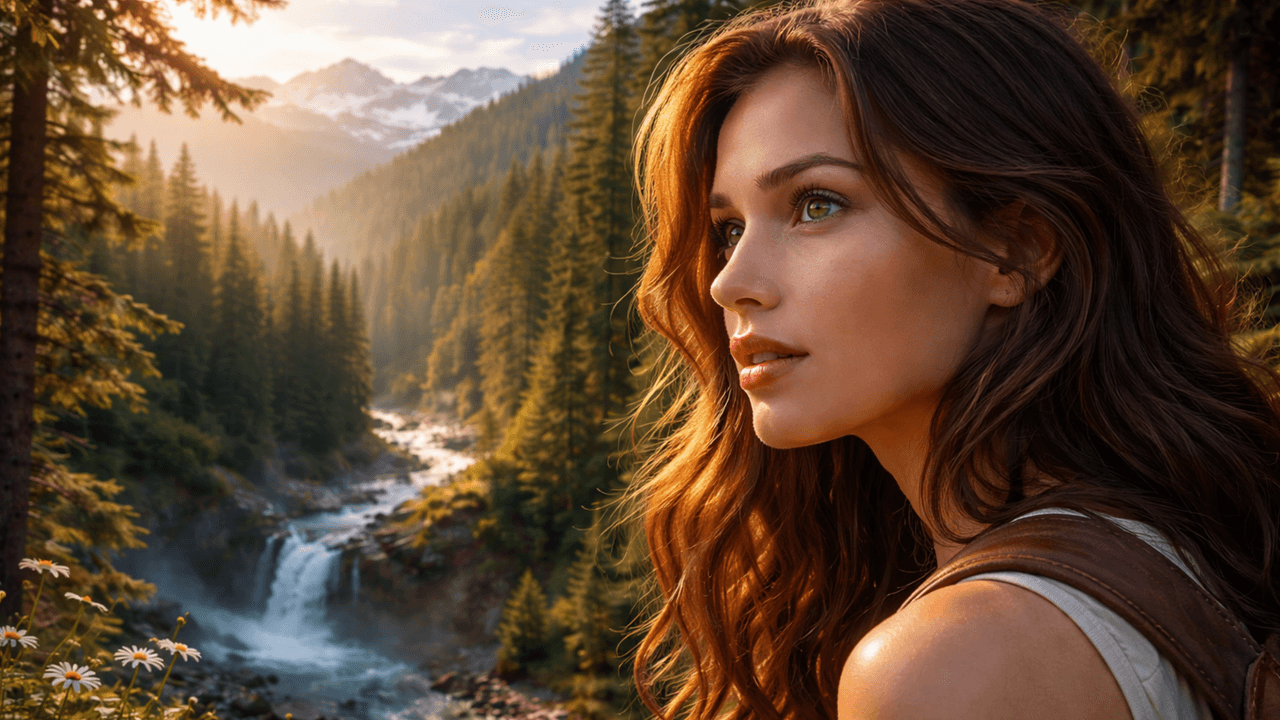
OpenAI has announced the launch of a new version of ChatGPT Images, a feature integrated into it chat bot artificial intelligence (AI), which now allows you to create images with a higher level of realism, perform more precise photo editing and offer results up to four times faster than the previous version. This update was interpreted as a direct response to Nano Banana Pro, an AI image generator developed by Google.
The updated version of the ChatGPT graph generator is based on GPT Image 1.5, OpenAI’s new flagship image model. According to the company, this system was designed to “make drawing fun, inspire and encourage creative exploration.” The company says the goal is to enable users to turn complex ideas into visual content in a more intuitive and efficient way.

Adobe apps for ChatGPT are available free of charge to all subscribers chat bot.
OpenAI claims that the new algorithm is much more robust than its predecessors, resulting in more accurate edits, more complex visual compositions, and better understanding of high-context queries. This allows the tool to maintain consistency between different visual elements, even when successive adjustments are made to the same image.
“The model follows user intent much more consistentlyeven in the smallest details, modifying only what is requested and preserving aspects such as lighting, composition and the appearance of people during input, output and subsequent edits,” the company explained. According to OpenAI, this capability makes it easy to obtain results that meet specific needs without losing visual continuity.
How to use the new version of ChatGPT Images?
A new version of ChatGPT Images (available in the API as GPT Image 1.5) is available enabled by default for both free users and paid subscribersexcept those belonging to the schemes Business in Enterprise. In the case of the latter, the company noted that access will be enabled at a later stage.
Users only need to enter the version to use the feature web or in the ChatGPT mobile apps and write the appropriate instruction in the chat panel. In it, you can specify the visual style you want, the elements the image should contain, the text to include, and the range of colors. In addition, you can upload photos and other existing graphics to make changes using instructions written in natural language.
In addition, OpenAI has included an option in the sidebar that gives access to a new interface dedicated exclusively to creating and designing images. By selecting the “Images” option, users access a dedicated page that offers about a dozen pre-set styles designed to make it easy to create graphic content from scratch.

A screenshot of the new “Images” section that ChatGPT integrates into.Courtesy of ChatGPT
This section also contains automatic editing tips for optimizing existing images, as well as a section that concentrates all creations and edits made by the user. From there, content can be republished, downloaded or shared directly.
The update to ChatGPT’s image generator comes amid growing competition in the AI market. OpenAI is facing pressure to respond to the accelerated progress of Google, which has bolstered its offering with new models and visual tools.
Earlier this month, Sam Altman, CEO of OpenAI, announced a “code red,” a move that involves immediate adjustments to the company’s strategy to protect ChatGPT’s lead in the face of Gemini 3, Google’s latest model. This system runs Nano Banana Pro, an advanced version of the image generator, which has gained popularity in a short time due to its editing, visual image generation and text understanding capabilities.
Altman acknowledged that “Google has been doing a great job in recent months” and predicted that the competition will be more intense “for some time,” especially since many of OpenAI’s resources are focused on developing superintelligence systems. even so in launch began to deploy a number of actions to strengthen its ecosystem.
Among them is the recently announced collaboration with Adobe, which allows ChatGPT subscribers to use tools such as Photoshop, Adobe Express and Acrobat without leaving the ChatGPT interface. chat bot. With this integration, users can create designs, edit images and create PDFs directly from text instructions, furthering OpenAI’s commitment to build ChatGPT as a comprehensive digital creation platform.