Samsung’s survey shows that artificial intelligence is already integrated into everyday functions such as the camera, keyboard or notifications. And yes: you use it too
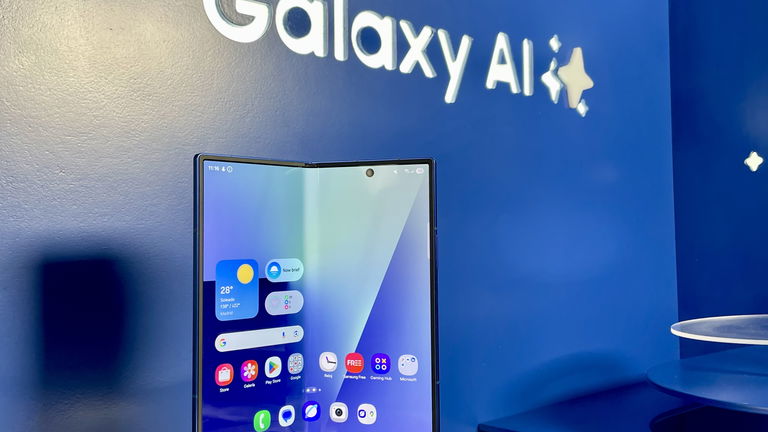
You’ve probably heard more than one person say that he overdid AI, that it didn’t work for him…while his phone unlocked the screen with his face, auto-enhanced photos, filtered emails by subject, and offered quick replies in Teams. You may not be using ChatGPT or creating images with Nano Banana, but you can’t live without it, and now it’s proven. According to data collected by Samsung, 90% of users use artificial intelligence features on their phone without even knowing it.
The company, which shared the results in its press center, came to this conclusion after surveying 2,000 US adults. The most telling data is not only the level of use, but also the gap between what we believe and what we actually do: only 38% of respondents knew that they use artificial intelligence in their daily livesand more than half claimed not to use it at all. But if a certain list of functions is shown, then 84% admitted that they use them regularly.
AI has been controlling your cell phone for a long time, but you didn’t call it that
For many users, artificial intelligence is still associated with something too advanced and complex, almost futuristic. However, if we move to practical terrain, it will appear in the gestures are so everyday that they are almost invisible. These are the most striking examples collected in the Samsung survey:
- Smart weather alerts (42%)
- Call and spam filtering (35%)
- Keyboard autocorrect (34%)
- voice assistants (26%)
- Automatic screen brightness (25%)
- Camera features like night mode (19%)
- Memories and automatic slideshows in the gallery (20%)
That is, we are not talking about a hypothetical future, but about decisions already made by artificial intelligence algorithms: which photo will be highlighted in your gallery, which email will end up in the spam folder, or even which notification the system considers urgent. After all, artificial intelligence does not replace the user, but shaping experience without having to think about it.
Galaxy AI and the Quiet Race for Mass Adoption
Samsung has been preparing this ground for progressive integration for years. According to your own data, Galaxy AI is already present in more than 400 million devices worldwideand about 80% of Galaxy mobile users have tried some of its AI features, with more than two-thirds using them regularly.
The key? How it was introduced. It is not about imposing a sudden revolution of artificial intelligence, but rather integrate it bit by bit into small practical improvements. First there were algorithms that optimized the battery, then computational processing of the camera, later smart suggestions and, more prominent features now appear such as real-time translation, generative image editing or contextual assistants. The result is this many users have embraced AI without needing to learn it and, even better, without feeling like she’s being used.
Real change: from punctual tool to digital companion
The takeaway is clear: mobile AI is moving from function to constant level of digital experience. Beyond the numbers, the survey shows that users value above all that technology saves them time, simplifies tasks, improves their capabilities and adapts to their habits. For this reason, Samsung is talking about a more conversational, personalized and context-aware future.
The question is no longer whether we use artificial intelligence or not: we all use it daily. The difference is whether we are aware, to what extent These algorithms influence our daily decisions. When your phone enhances your photos without touching anything, silences suspicious calls and fixes messages, and adjusts the screen brightness as the evening draws in, artificial intelligence is working for you. But he does it so well that you hardly notice.