CNN in Spanish
—
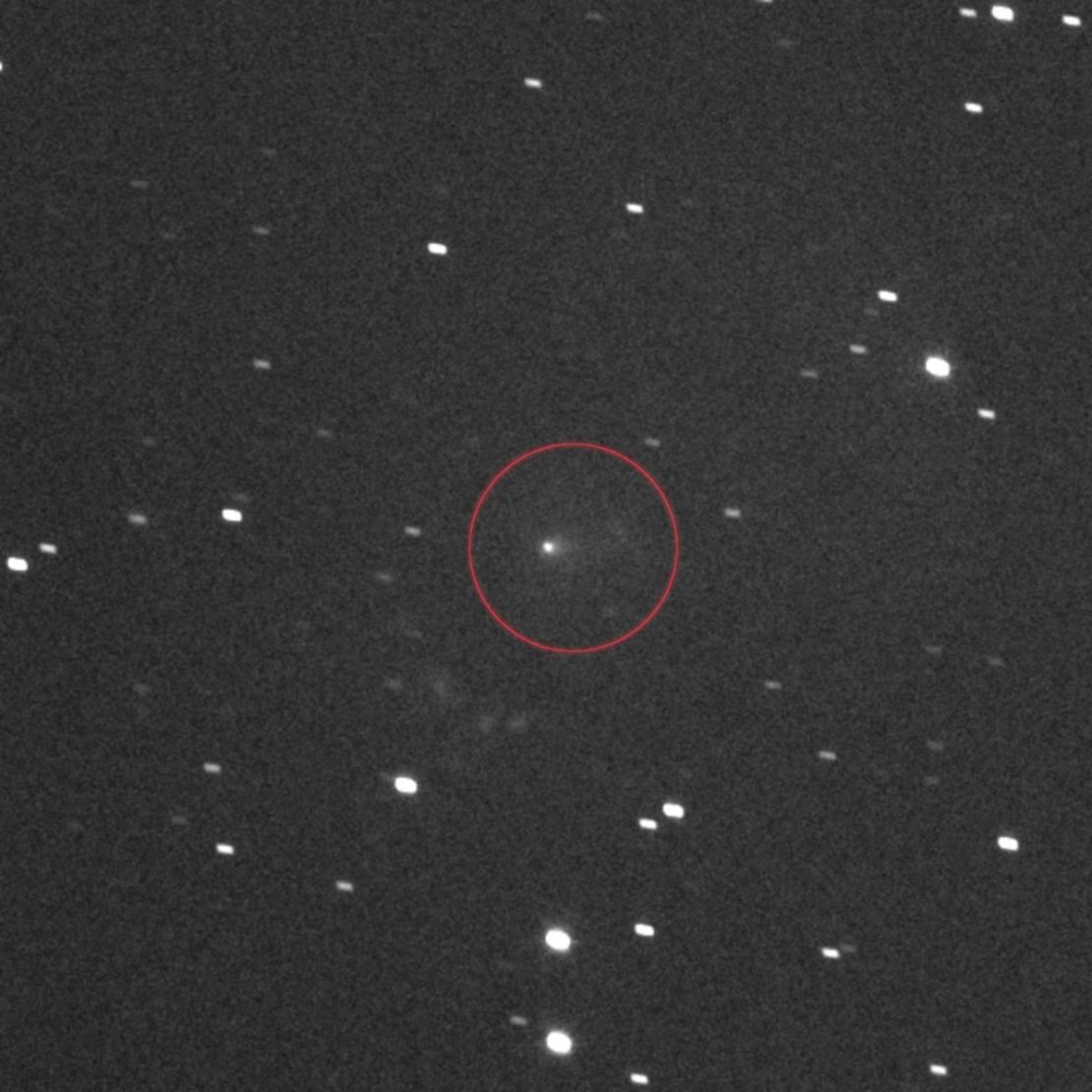
Comet 3I/ATLAS has captured the world’s attention this year because so little is known about its origins: it comes from deep space and is only the third interstellar object ever observed, following 1I/ʻOumuamua in 2017 and 2I/Barysava in 2019.
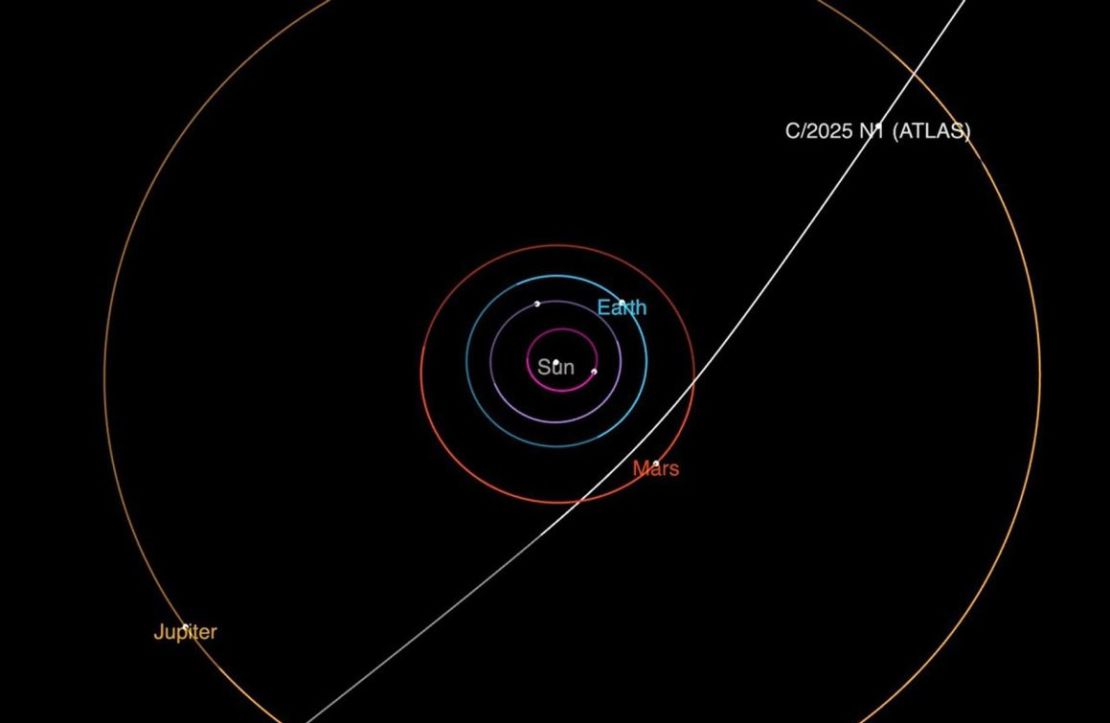
It is believed to be an object from outside our solar system, according to scientists, because of its speed and trajectory: according to NASA, it is moving at about 246,000 kilometers per hour, indicating that it is moving so fast that it is bound to the Sun’s gravity and thus “tied” to its influence in orbit.
Simply put, 3I/ATLAS is just a guest passing through our solar system at high speed, and on Friday, December 19, it will approach Earth at its closest distance of about 270 million kilometers.
This enormous distance, equivalent to 1.8 times the distance between the Earth and the Sun, just means that this comet is in no danger of colliding with our favorite little blue dot in space.
The trajectory of this interstellar object, according to the European Space Agency, indicates that it will soon disappear from our solar system and never return. Until that happens, 3I/ATLAS will be chained to him, the best thing humanity has ever created.
July 1, 2025: 3I/ATLAS was discovered by the ATLAS (which stands for Asteroid Terrestrial-impact Last Alert System) survey telescope and “reported to the Minor Planet Center” that day, according to NASA. This telescope is located in Rio Hurtado, Chile, a country that hosts several international observatories.
August 20: Astronomers estimated the diameter of the 3I/ATLAS core to be “at least 440 meters and at most 5.6 kilometers,” according to NASA, based on observations made with the Hubble Space Telescope.
October 3: According to the European Space Agency (ESA), the comet approached Mars by 29 million kilometers.
October 29: According to ESA, 3I/ATLAS made its closest approach to the Sun at a distance of about 203 million kilometers.
Beginning of November: ESA’s Jupiter Icy Moons Explorer mission (known as Juice) is on its way to Jupiter to study the planet’s largest moons, and has found itself in a prime spot to observe 3I/ATLAS, about 66 million kilometers away. He took pictures of the comet as it flew past the Sun.
December 19: The comet will pass closest to Earth.
The interstellar nature of the object has been the subject of not only study but also speculation. The idea that 3I/ATLAS is actually an extraterrestrial spacecraft or technology created by something beyond has spawned rumors that even NASA officials have dismissed.
“It looks and behaves like a comet, and all the evidence points to it being a comet,” NASA Deputy Administrator Amit Kshatriya said in November, according to CNN. “It made people expand their minds to think about how magical the universe could be,” he added.
Kshatriya called the key word, at least in science: evidence. What else is known about this rare interstellar object?
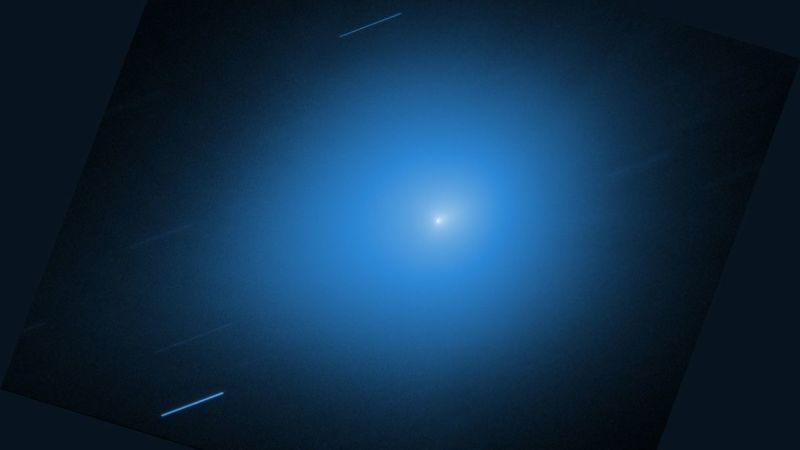
Since its discovery, 3I/ATLAS has been studied with some of the most powerful instruments available: ground-based observatories, space telescopes such as Hubble and James Webb, among others, and various instruments from missions studying Mars, Jupiter, and the Sun.
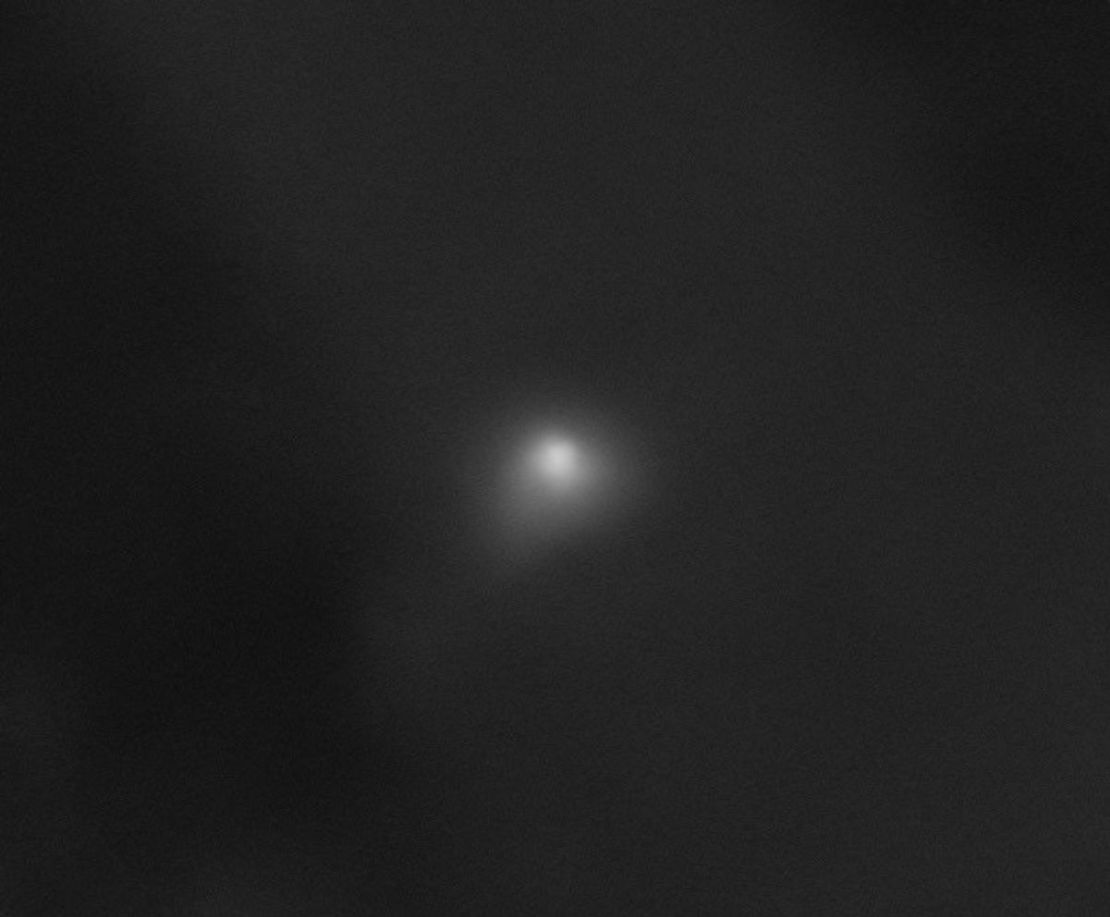
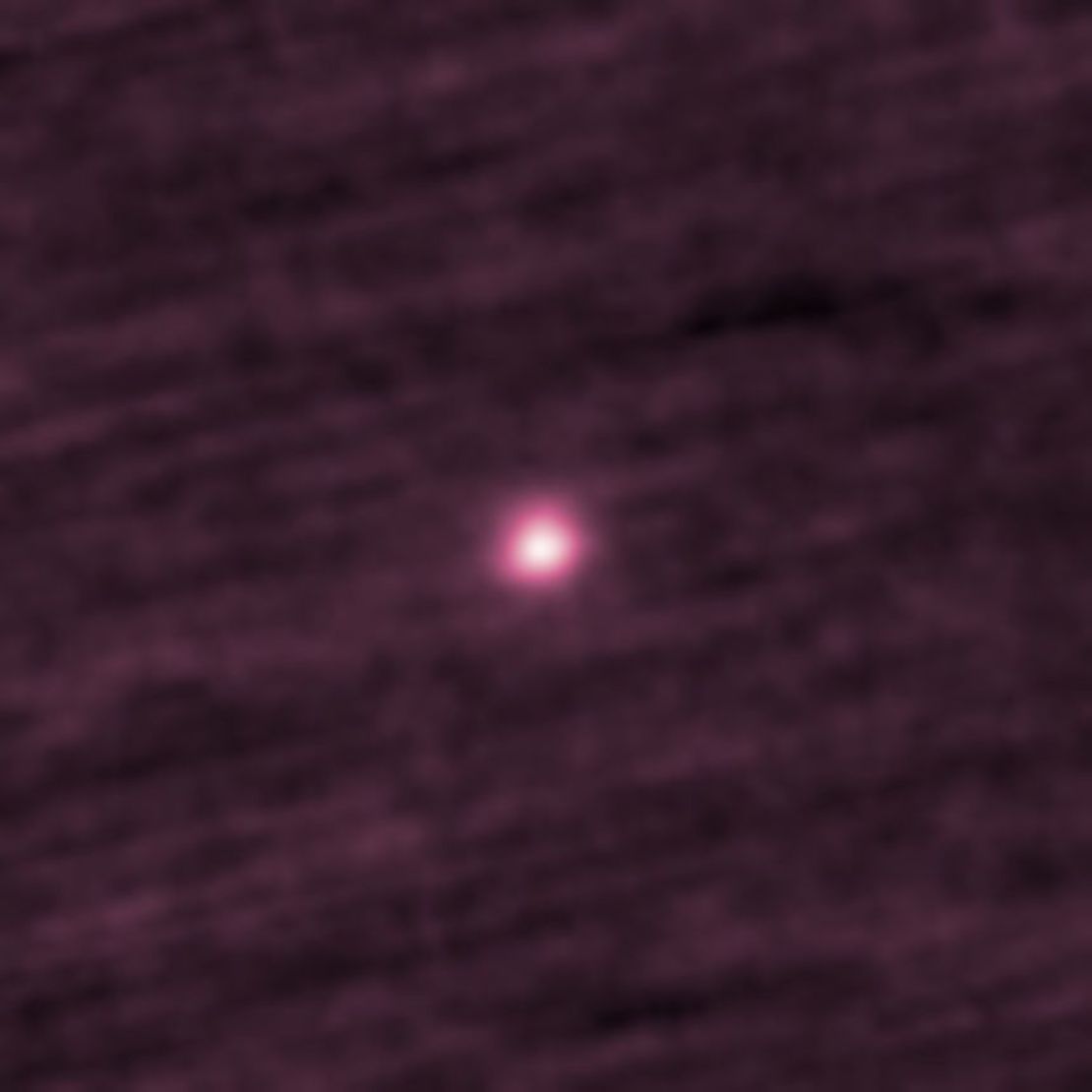
Such observations allowed us to determine a trajectory that ruled out any threat to any planet in this solar system, but they also provide insight into the possible composition of the comet and the size of its nucleus.
For example, the European Space Agency reported that in early August, Hubble recorded “a cloud of dust ejected from the side of a comet heated by the Sun and a hint of a dust tail moving away from its nucleus.” This is what can also be expected from comets in our solar system.
Later that month, observations from the James Webb Telescope showed that the coma, or halo, surrounding the comet as it approached the Sun was releasing “carbon dioxide, water, carbon monoxide, carbonyl sulfide, and ice,” according to ESA.
CNN’s Ashley Strickland recently wrote about a new image taken by ESA’s Juice mission that shows the comet’s coma and what appear to be two tails: a plasma tail made up of electrically charged gas and a fainter dust tail made up of solid particles.
According to the estimates of the European Space Agency, in February 2026, additional data will be presented on the composition of the comet in its most active state, that is, during what happened during its approach to the Sun.
“3I/ATLAS produced more carbon dioxide than water and more nickel than iron compared to comets that originated in our solar system, something that is still being investigated,” commented Tom Stetler, NASA Senior Scientist for Small Bodies, in the aforementioned Strickland paper.
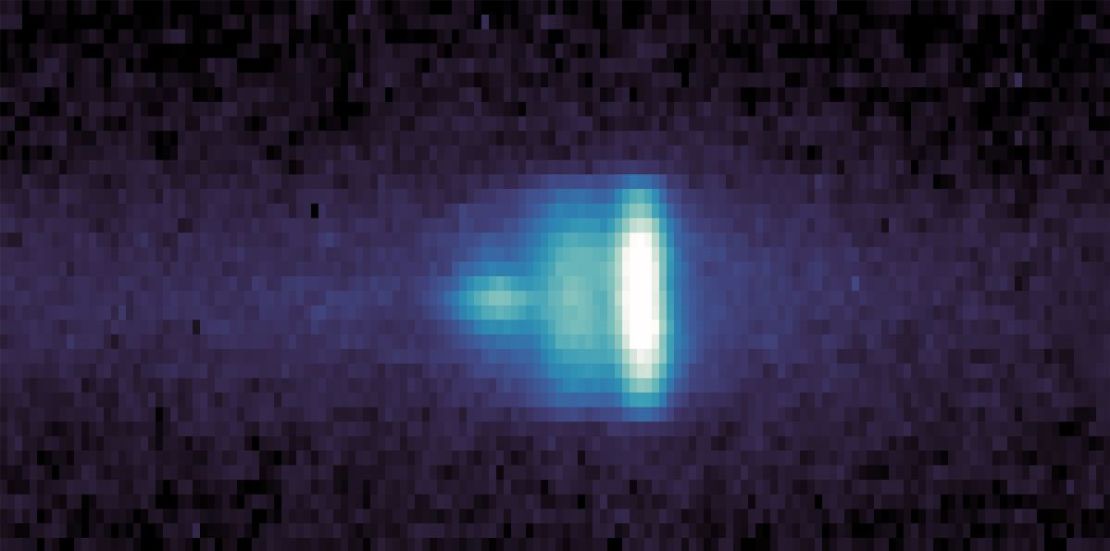
How different is 3I/ATLAS from comets in this solar system? How old is this comet over billions of years old, and what can it tell us about the origins of other interstellar bodies or astrobiology in general? The appeal of this rare space object lies precisely in these differences.
“We are the first generation of our species to know our cosmic history,” says Chilean astronomer María Teresa Ruiz in her book Children of the stars. The mysteries to be solved with 3I/ATLAS will be only a short page of this space story. 3I/ATLAS is currently expected to be visible to the telescope by September 2026.