

About 62% of cyber attacks in Peru occur through phishing campaigns, a type of cyberattack in which attackers impersonate trusted sources to steal sensitive information.
Fabiano Ramírez, security researcher at ESETcommented that this panorama is not necessarily due to the sophistication of the attack, but often due to people being careless or insecure about their devices.
“A lot of phishing attacks are due to outdated computers that don’t have software that can detect them. Peru has a big problem with updating its antivirus because there is a lot of piracy. Added to that is the fact that there are a lot of users, so the country has a high level of vulnerability.” clarified during the ESET 2025 Computer Security Forum.
READ ALSO: ESET Peru predicts single-digit growth this year: benefits
Windows or macOS?
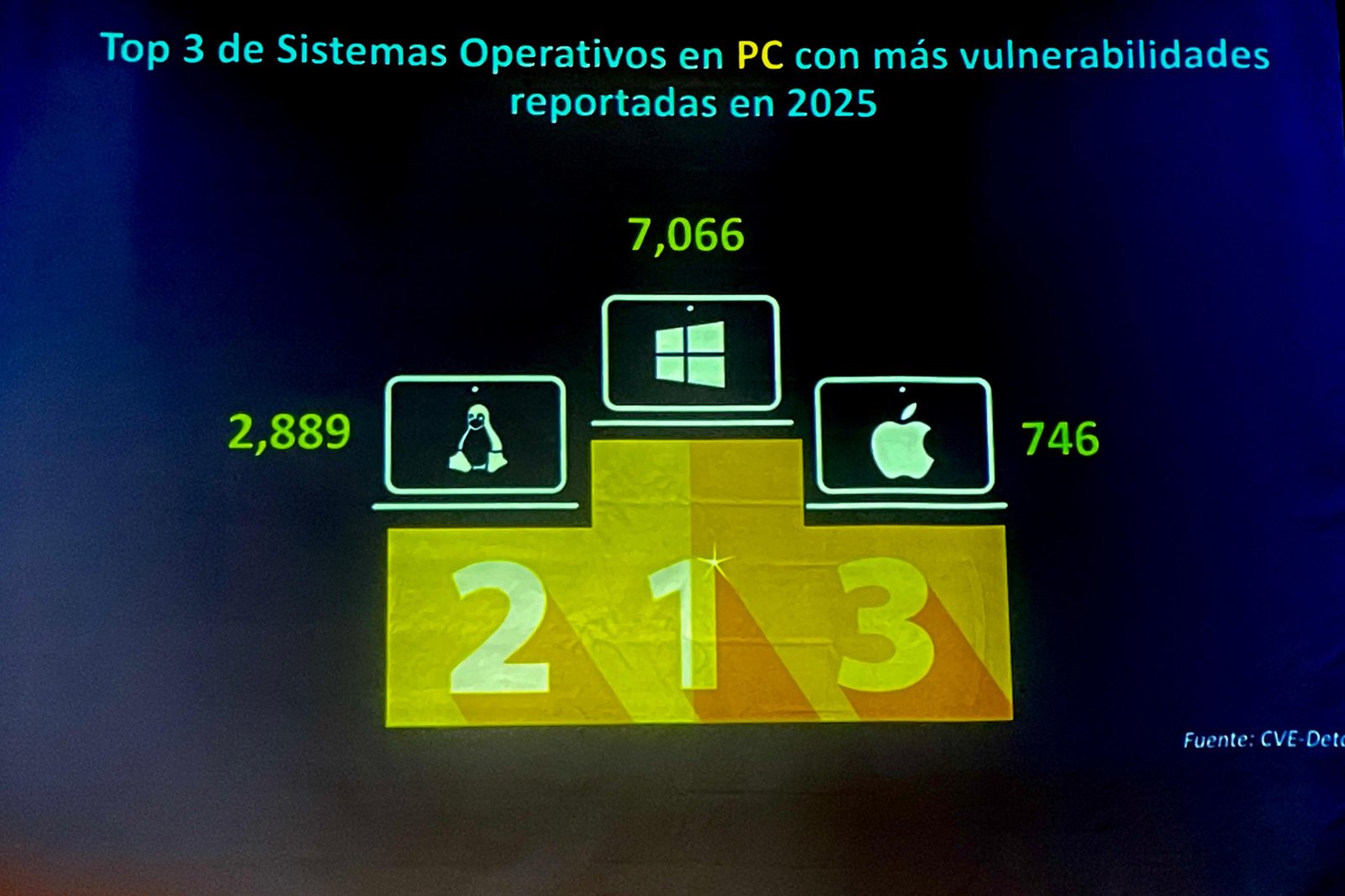
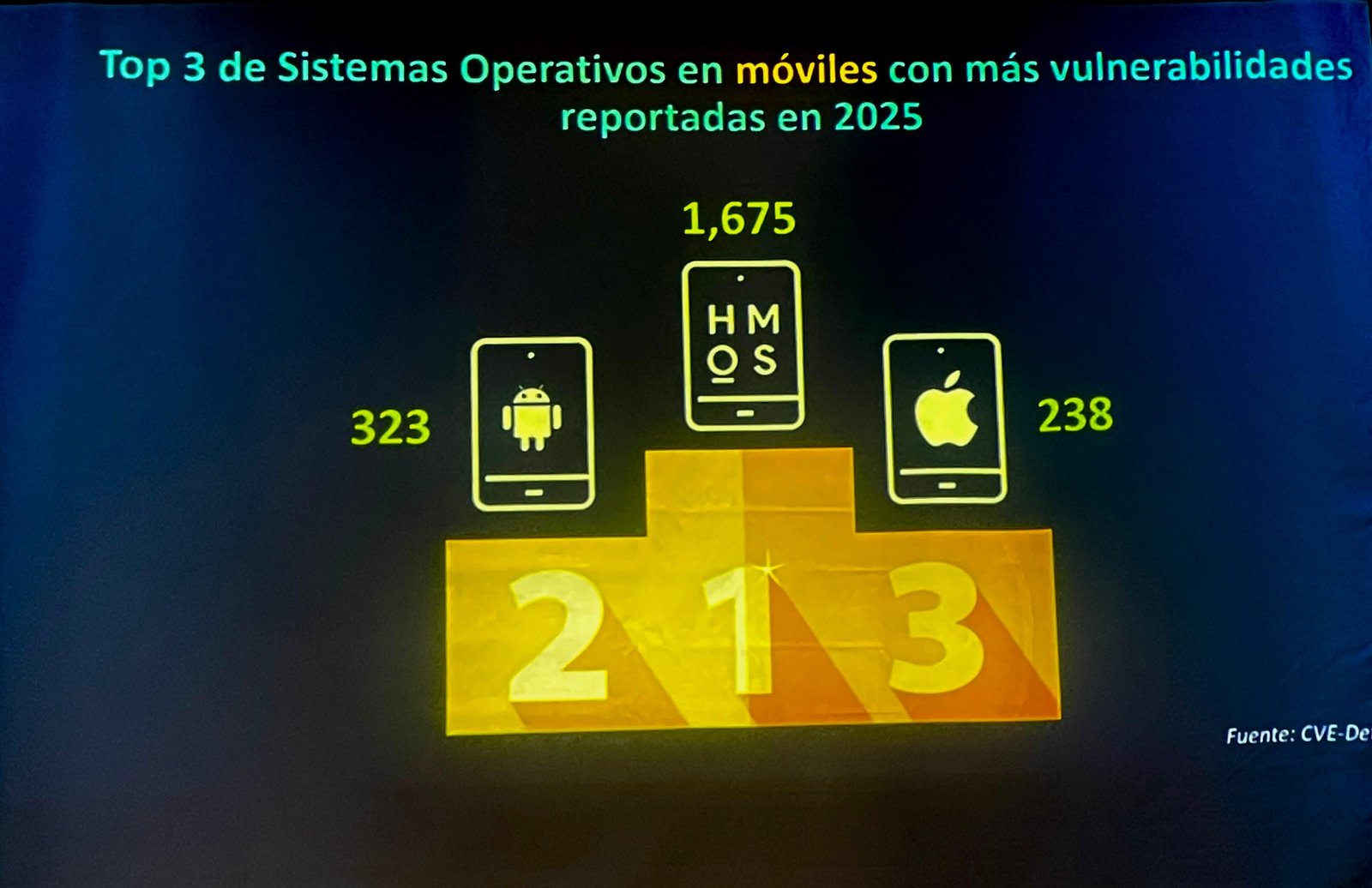
David Gonzalez, a computer security researcher at the firmnoted that the PC operating systems that reported the most vulnerabilities at the regional level were Windows (7,066), Linux (2,889), and macOS (746). In terms of mobile operating systems, HarmonyOS leads the list with 1,675, followed by Android with 323 and iOS with 238.
In Peru, “The panorama doesn’t change much: Windows and Android are the operating systems with the most vulnerabilities, while macOS and iOS have lower numbers.”.
Fabiana Ramirez He noted that while Windows or Android are always the most affected, that doesn’t necessarily mean they’re more vulnerable, but rather that they’re used more often. That is, more users are using these operating systems, so more detections are logged.
“In other words, it doesn’t mean they’re more dangerous, while macOS or iOS are more secure. You can’t necessarily talk about more security, but there is less malware for MAC and iPhone because criminals find it more useful to attack Windows and Android»he added.
The numbers may give a false sense of security, but in reality it’s a convenience solution, when perhaps tomorrow there are more MAC and iPhone users, more detections can be seen in those operating systems, he stressed.
READ ALSO: Phishing: how not to become a victim of cyber attacks?
The most popular brands in Peru
David Gonzalez noted that the most fake brands in Peru are Metamask (8,375), Microsoft (1,283), Outlook (170), Office (30), LinkedIn (11), Google (8) and Instagram (7).
“All of us have at one time or another received e-mails pretending to be Microsoft, asking us to change our password or update Windows. This is the most common form of phishing attempt. In the case of Outlook, the methods are very similar.” said.
“Regarding LinkedIn and Instagram, phishing often occurs through false job offers. They send you links to register and apply, and through that they steal your personal information, which they then use to impersonate you.”he added.
For his part, Fabiana Ramirez clarified that the above numbers do not refer to the number of attacks, but to the number of detected types of phishing. According to each of the options found, the criminal can commit several attacks.
“For example, Metamask recorded 8,375 detections, that doesn’t mean it got 8,375 attacks, but rather the number of variants used. With each phishing attempt, multiple attacks were likely sent. So it’s not about the number of attacks, but about the number of types of phishing”he emphasized.
Likewise, he commented that most attacks are likely to come through Microsoft or Outlook, but they have far fewer options. “Let’s assume there were 3 million attacks because of one option.”he pointed out.
Numbers
According to him In ESET’s 2025 Security Report, 27% of companies admitted to being affected by cyberattacks. At the same time, 20% said they were victims of theft, leakage or destruction of information. On the other hand, 32% say they can’t tell if they’ve been cyberattacked.
to Fabiana Ramirezthis figure shows that there are organizations today that do not have enough technology to detect if they have been victimized by cybercriminals.
In this sense, he commented that apart from the economic impact, the company’s reputation is also damaged, resulting in a loss of customer trust. Similarly, valuable information about the organization can be affected, which will affect its work.


