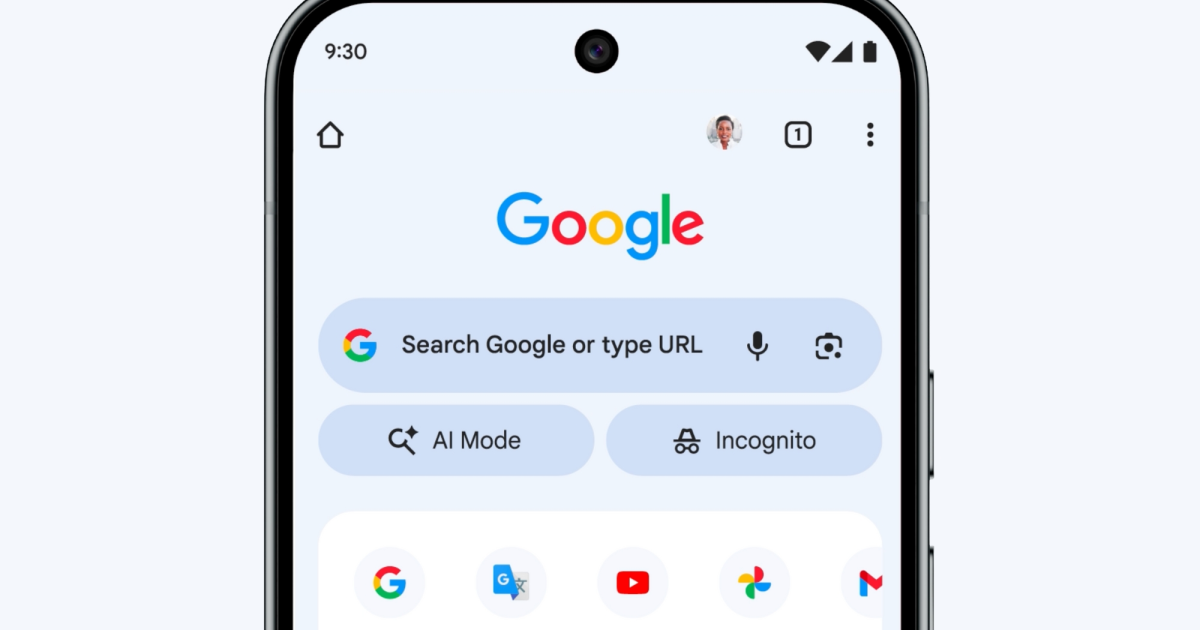
What happened? Google is testing a new approximate location switch Chrome for Android, seen at version 142.0.7444.171.
- The feature allows a website to access an approximate location rather than an exact GPS-based location (via Android Authority).
- Chrome itself still has fine-grained location permissions at the operating system level, but does not share them with the Internet.
- This brings Chrome closer to Android’s app-level location model, which offers users better control over location sharing rather than blanket permission.
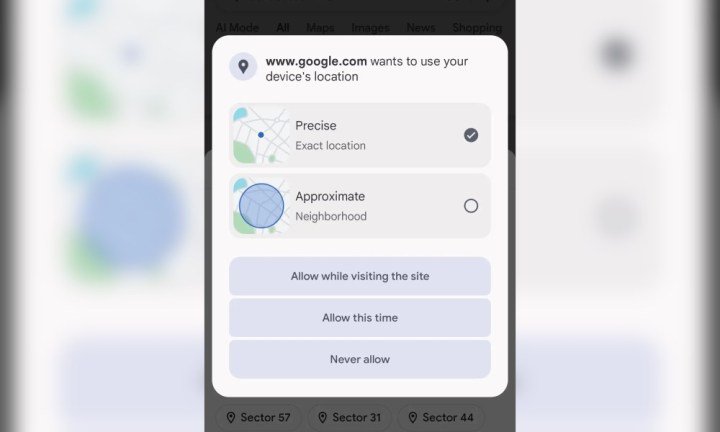
Why is this important? Websites will no longer have automatic access to accurate GPS data, marking a major shift toward privacy parity on the web with native apps.
- Helps reduce unnecessary exposure to sensitive location information.
- While the update limits tracking, it still enables important location-based features.
- This fine-grained control may encourage more users to keep location enabled rather than turning it off entirely.
Why should I care? You’ll be able to navigate through pages to see weather, local news, and map previews without revealing your exact location.
- This reduces targeted tracking and hyper-localized advertising.
- Reduces resolution anxiety. Instead of choosing between sharing your exact location or nothing at all, you’ve finally found a middle ground.
OK, what’s next? If testing goes well, Google should roll it out widely, probably by making it Chrome’s default behavior on Android devices.
- Other browsers may follow, creating a new privacy baseline in which approximate location becomes the norm for the mobile web.
- Web developers will need to design experiences that elegantly provide two different levels of location data accuracy.