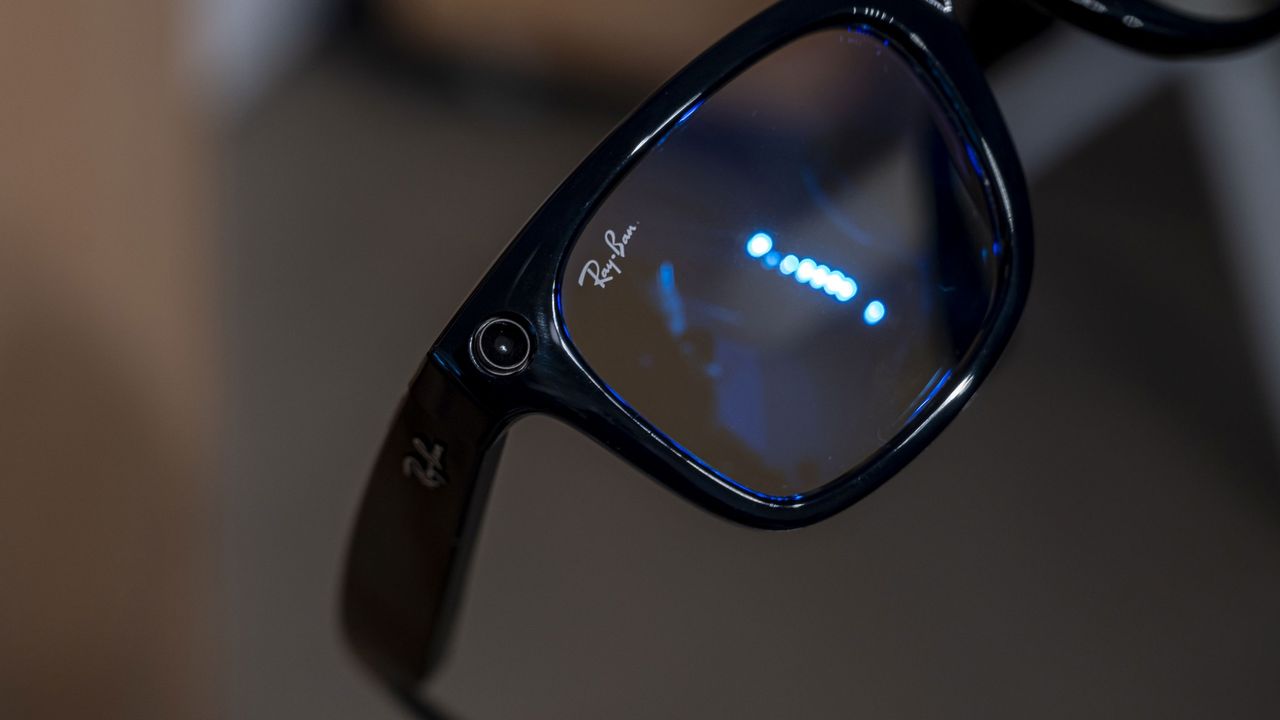
Apple could enter the smart glasses market (currently dominated by the Ray-Ban Meta) next year, according to a report from Bloomberg. The Cupertino-based company will be testing at least four mount models, as well as a new camera configuration for this product line, which could be officially unveiled later this year.
Last October, Mark Gurman, columnist Bloombergannounced that Apple is already working on two projects related to smart glasses, with the intention of releasing its first model in 2027. The new report provides more details about the aesthetics and functions that these devices may have.
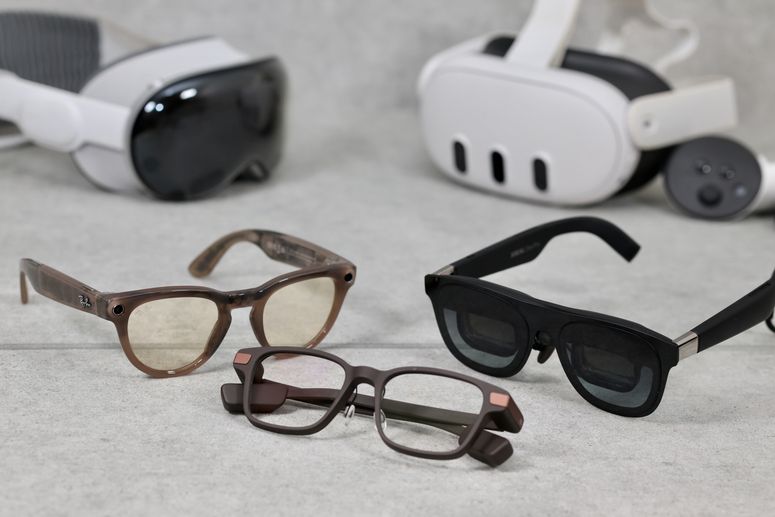
Finally, smart glasses from various manufacturers reach a truly practical level. Based on our experience with devices already on the market, we analyze where this technology is going.
The design, which will be evaluated by the company led by Tim Cook, includes a large rectangular frame and a thinner, as well as a thick oval version and another of the same shape, but more stylized. In addition, Apple would consider a wide range of colors for the bezels, including black, blue and light brown.
Gurman notes that the company is also considering a camera setup with oval lenses oriented vertically and light around them. This feature along with the frame design should differentiate the product from other offerings available in the market such as Ray-Ban by Meta.
Apple: In Search of Positioning
Experts believe that Apple’s smart glasses will represent a setback in the company’s ambitious strategy to mark a new milestone in personal computing after the launch of Vision Pro.
The augmented reality headset, which launched in early 2024 with a starting price of $3,499, was considered a commercial failure for the company after its adoption was limited by factors such as high cost, impractical and socially isolated design, and a lack of compelling apps and use cases.
Various reports have indicated that Apple is looking to turn things around with the development of a slimmer and more affordable version of the Vision Pro, slated for 2027. However, all indications are that the strategy has changed and that the company has decided to allocate more resources to its smart glasses projects, a segment currently led by Meta.
This apparent shift in focus is unusual for the company. “Apple seems to be starting to turn around. For the first time in a long time, it seems that she is out of the conversation.”– says Michael Hartenberg, technology analyst and former director of the company marketing from the company.
Will Apple be able to compete with the Ray-Ban Meta?
Apple will be looking to position itself in a market with a potential value of billions of dollars. Market research firm Technavio estimates that the global smart glasses sector will be worth $90.6 billion between 2025 and 2029, with a CAGR of 14.5% during the period. To capitalize on this trend, the company will need to come up with an offering that can compete with the Ray-Ban Meta, which currently has about 60% of the market.
Apple’s first smart glasses are expected to integrate cameras, microphones and speakers into the frame. Users will be able to listen to audio, make calls and interact with an enhanced version of Siri to ask questions or activate functions with voice commands, with direct integration into the company’s artificial intelligence ecosystem. According to Gurman, The device’s cameras and sensors will be designed to capture and process contextual informationwhich would enable features such as simultaneous translation, text reading and precise navigation directions.
To support these capabilities, Apple will develop a new chip based on the S architecture used in Apple Watch processors, which will allow data to be processed directly on the device without relying entirely on the cloud.