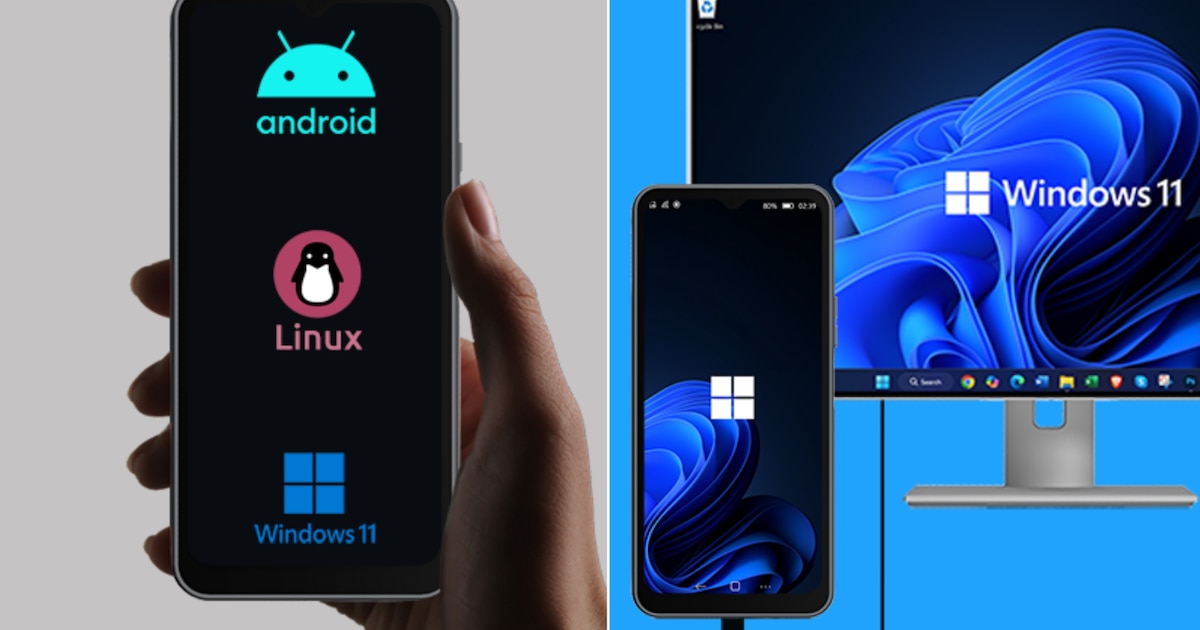
American startup Nex Computer introduced the phone NexPhonewith which it aims to change the concept of a single portable device by offering a smartphone designed to operate a mainframe computer with up to three operating systems.
This offering is aimed at those who want to reduce the number of daily devices, allowing the phone to adapt to the work environment by simply connecting it to a screen, keyboard and mouse.
Approach a NexPhone revolves around the flexibility of your software. In addition to surgery on Android 16the device allows you to run Debian Linux in Windows 11.
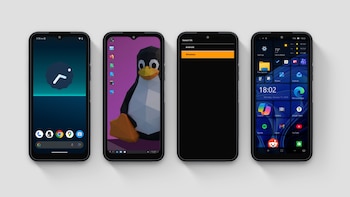
In day-to-day use, the user can choose Android for mobile tasks, switch to Debian via a dedicated app, or reboot the phone to run Windows 11. This versatility is supported by a personalized tile interface designed for those accustomed to a desktop-like environment Windows 10 Mobile.
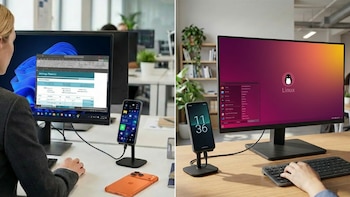
Multi-system integration is moving to the desktop environment. After connecting the NexPhone to a monitor and peripherals, the user chooses between Android desktop mode, the full version of Debian, or the usual Windows 11 interface. Files remain accessible on both Android and Linux, and Windows runs from a separate partition.
Among the predecessors of this type of solution are proposals for Samsung (DeX), Motorola (Ready to) in Microsoft (Link to Windows), which in recent years have allowed smartphones to be used as portable workstations. NexPhone aims to go further by combining cross-platform support and a customizable system.
In terms of hardware, the NexPhone comes with a 6.58 inch LCD screen and with a refresh rate of 120 Hz, a resolution of 1080 × 2403 pixels, 12 GB of RAM in 256 GB of internal memory Expandable with microSD. It includes a 64-megapixel primary camera, a 13-megapixel ultra-wide-angle camera and a 10-megapixel front-facing camera. The battery reaches 5000 mAh and supports wireless charging.
A unique aspect is the chosen processor: the Qualcomm QCM6490initially targeting IoT devices.
Decision to use Qualcomm QCM6490 as a processor can affect performance in complex tasks. This chip, present in previous devices from 2023, shows lower speeds than current premium models. Although the choice lives up to the promise of extended support, users should not expect performance comparable to the most powerful smartphones on the market.
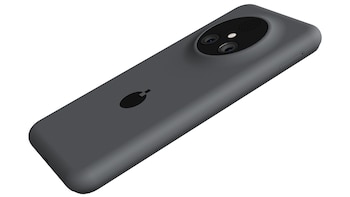
A cross-platform approach also requires a degree of commitment. It is up to the user to decide if they are ready to accept a different ecosystem and manage multiple partitions, operating systems and usage patterns. Getting the most out of your NexPhone will depend on your willingness to learn and customize these features.
Another potential limitation is application and peripheral compatibilityas well as in integration with services that are usually optimized for specific operating systems. The experience may vary depending on the environment and tools used on each platform.
Its price ($549), while competitive for a mid-range device, raises the question of its real exchangeability against a laptop or desktop computer with equivalent features. The NexPhone is aimed at an audience interested in versatility and portability, but its success will depend on the balance between flexibility, performance and ease of use.