Four astronauts of the mission Artemis II NASA returned safely to Earth on April 10 after completing a lunar orbit with technological advances that will aid future exploration.
Reid Wiseman, Victor Glover and Christina Koch of NASA and Jeremy Hansen of the Canadian Space Agency participated in the first manned mission to the moon after the end of the Apollo program in 1972, President Trump made space exploration one of the US priorities. During his first term he supported Art Artemis Agreements (in English), a set of optional principles to guide civilian space exploration. Agreements have already been signed by 61 countries.
Astronaut observations and pioneering pictures of the lunar landscape will inform NASA’s plans to build a lunar base and eventually send astronauts to Mars for future missions. Artemis.
Capsule Orion missions Artemis II landed in the Pacific Ocean near San Diego on Friday afternoon, demonstrating that the spacecraft is capable of carrying astronauts to the moon and back, paving the way for future missions.
“It’s a relay,” Koch said, noting that she and her fellow astronauts on the mission carried real batons of the type used in track and field events, which they will pass to astronauts from Artemis III. In 2027 Artemis III will test the interaction of the space capsule with the lunar landers ahead of the planned lunar landing in 2028 Artemis IV.
Innovative mission
The crew of Artemis II (in English) set the record for the farthest distance humans have traveled from Earth at 406,771 kilometers (252,756 mi), surpassing the previous mission’s record Apollo.
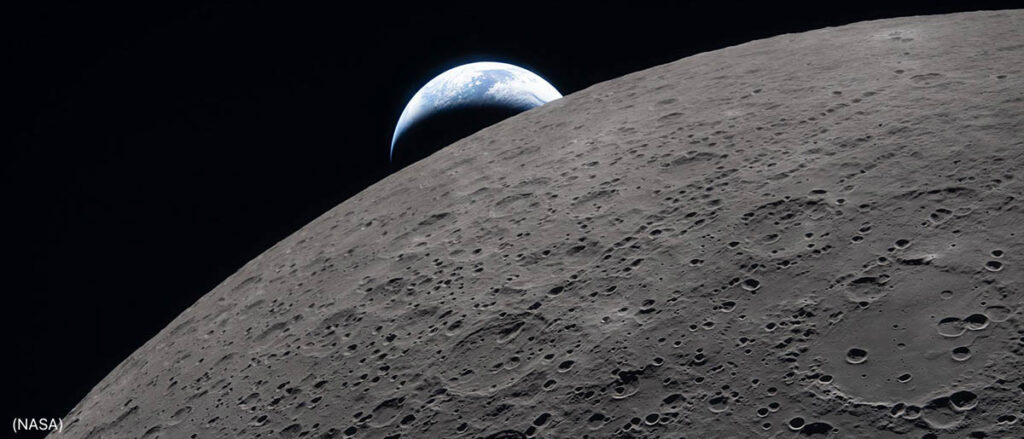
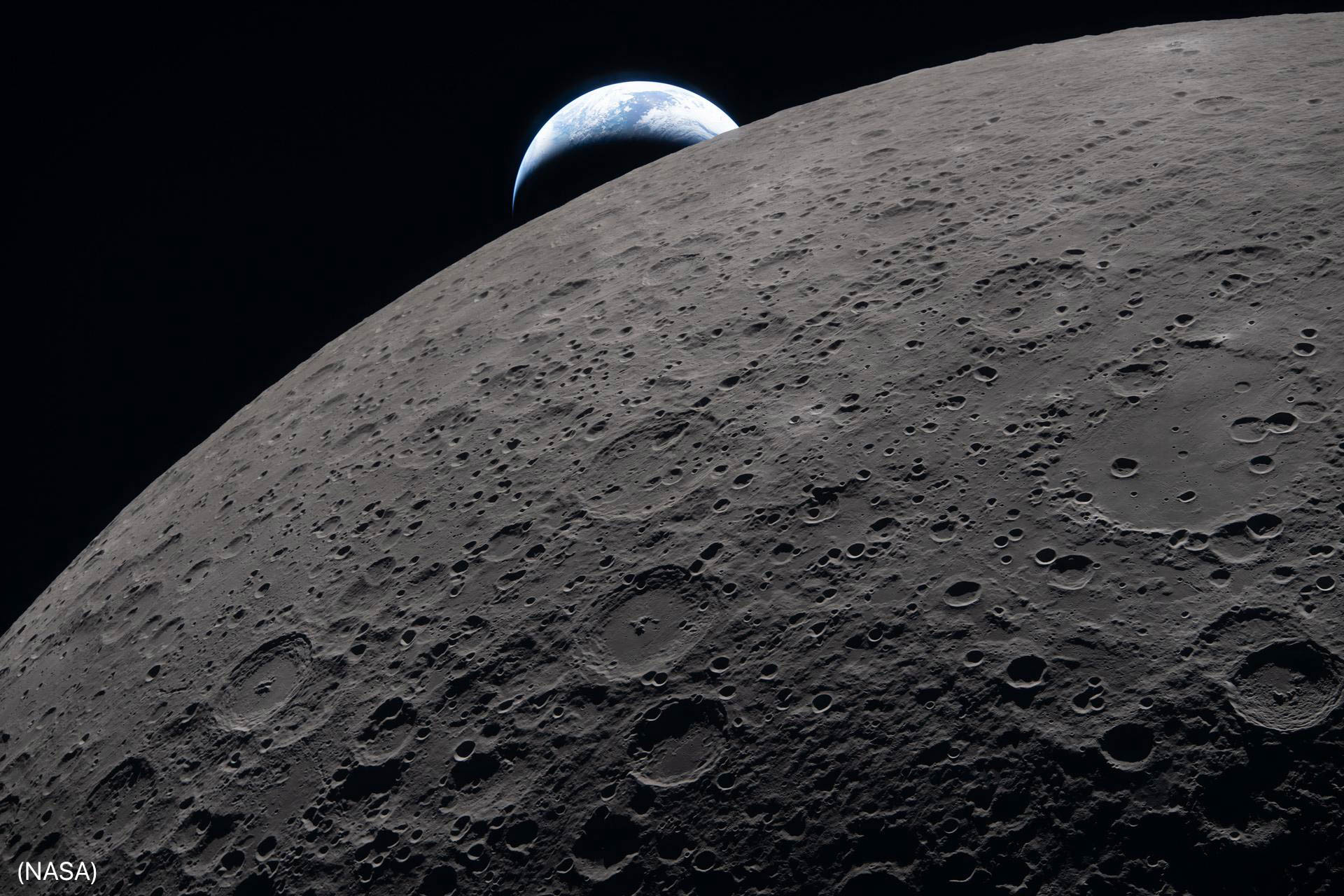
Astronauts have made detailed and impressive observations of the dark side of the Moon. “We’ve seen extraordinary things,” Hansen said. “Things I thought we might see … and others I never imagined.”
They studied craters on the moon and noted the colors they could see with the naked eye, which gave them information about the topography of the moon.
And they took some unique photos of the eclipse from space. “It left us all in awe,” said Glover, the mission’s pilot. “That was one of the greatest gifts of this part of the mission.”
Although they collected more data than they could transmit during the flight, Glover said, “All the interesting information comes back to us.”
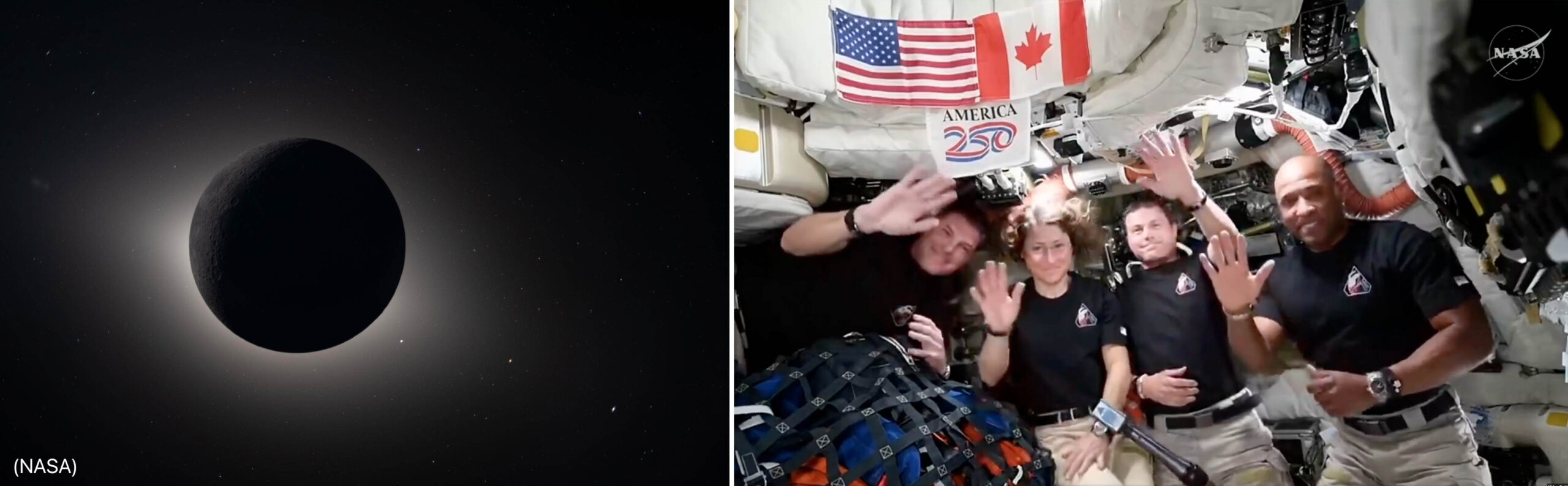
On April 7, the President called the astronauts. “One of the highlights was coming back from the far side of the moon and getting my first glimpse of planet Earth,” Koch said during the call. “It really makes you remember what a special place we occupy and how important it is for our nation to … lead, not follow, deep space exploration.”
The President, calling them inspirations for the whole world, said: “You really are all pioneers of our time.”