
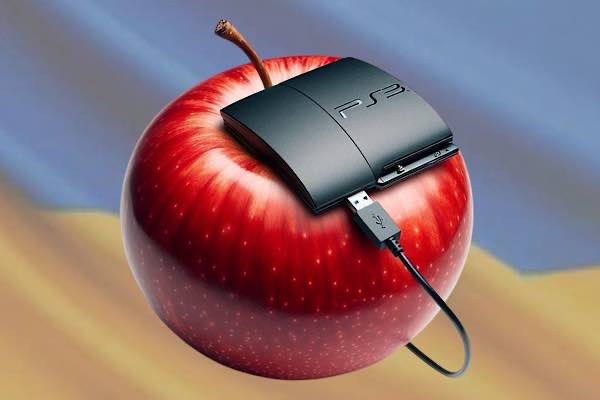
RPCS3, a famous emulator open source The PlayStation 3 takes a big leap forward with its ARM64 version. This update extends the emulator’s compatibility with devices using ARM-based processors such as Apple (M1, M2 and M3) and other Linux-based systems. This achievement promises to revolutionize the emulation process, optimizing performance on today’s platforms.
An emulator that continues to evolve
RPCS3 is an open source emulator that allows you to run PlayStation 3 games on modern devices. Since its launch, the project has worked to improve compatibility and performance, managing to run more than 67% of PS3 games in a fully playable way.
The new ARM64 support represents an important technical step. ARM processors, known for their energy efficiency and advanced architecture, are at the heart of devices such as MacBooks with M1, M2 and M3 chips and other portable systems. The inclusion of this architecture allows users of these platforms to enjoy PlayStation 3 classics without the need for traditional x86 hardware.
What does ARM64 support entail?
Integrating ARM64 support is not trivial. Technically, the emulator’s core code has been reworked to work with the ARM architecture, optimizing the interpretation of CPU instructions and tweaking the graphics modules to take advantage of the integrated GPU of devices like Apple Silicon.
The developers noted that this change not only extends compatibility, but also optimizes performance on ARM devices, achieving more stable frame rates and reducing load times. For example, in internal tests such demanding games as Uncharted 2 showed significant improvements on ARM64 devices compared to their x86 counterparts in equivalent configurations.
Benefits for Apple and Linux users
ARM64 support especially benefits users of Apple systems with M1, M2, and M3 chips. Until now, running RPCS3 on these devices required complex solutions such as virtualization or architecture emulators. With this update, the need for middlemen is eliminated, providing native performance that maximizes the capabilities of the hardware.
In the Linux space, the integration of ARM64 allows systems based on Raspberry Pi and other ARM platforms to explore, albeit with limitations, the potential of PlayStation 3 emulation. This is especially interesting for the open source community, which now has access to a more powerful and flexible tool.
Thoughts on the future of RPCS3
The arrival of RPCS3 on ARM64 is an example of the development team’s continued commitment to pushing the boundaries of emulation. This achievement not only meets the demands of a growing user base, but also sets a precedent for future emulation projects looking to take advantage of the current architecture.
While challenges remain, such as improving support for more complex games and optimizing resource management on less powerful ARM devices, this move signals a promising future for emulation in general.
 88
88


